
How to protect against parasites in dogs: 5 mistakes new owners must avoid
Whether you’ve welcomed a bouncy new puppy or an adult rescue dog into your home, here are some of the most common mistakes new owners make in the first weeks at home when it comes to protection from risks posted by most common internal and external parasites.


How do dogs get parasites
Before we dive into parasite protection, it helps to first understand what parasites are and how dogs become infected. Dogs can be affected by both external parasites, like fleas and ticks, and internal parasites, such as intestinal worms and heartworms.
- External parasites (also called ectoparasites) live on a dog's skin or coat and are often visible to pet owners. Dogs typically pick up fleas and ticks from their environment.
- Internal parasites are a bit sneakier. Dogs usually become infected by swallowing parasite eggs or larvae found in contaminated soil, food, or water, or by licking surfaces exposed to feces from an infected animal. Puppies are especially vulnerable, and they can even acquire certain intestinal parasites from their mother, either before birth through the placenta or after birth while nursing.
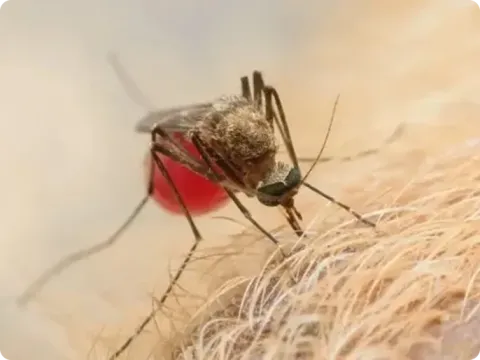
- Heartworm disease is spread differently. Dogs become infected through the bite of a mosquito carrying heartworm larvae. Because mosquitoes are common in many environments, even dogs that spend most of their time indoors are still at risk.
1. Assuming no symptoms means no parasites
One of the most common misconceptions is that a dog without symptoms must be parasite-free. While heavy parasite burdens can cause diarrhea, weight loss, poor coat quality, or even anemia, most dogs with early or mild infections appear completely healthy. That doesn’t mean parasites aren’t causing harm. Left untreated, parasites can lead to long-term health issues for dogs, and some intestinal parasites are zoonotic, meaning they can be transmitted to people.
Heartworm disease presents differently than intestinal parasites. Early infections often show no symptoms, but as the disease progresses, signs may include a persistent cough, lethargy, difficulty breathing, and in severe cases, signs of heart failure. Since heartworm damage occurs internally to the pulmonary blood vessels, annual testing combined with prevention medication is essential.
All new dogs, regardless of age or origin, should be tested for intestinal parasites, even if they seem perfectly healthy. The Companion Animal Parasite Council (CAPC) recommends:
- At least four fecal tests in the first year of life
- At least two fecal tests per year in adult dogs, depending on health and lifestyle
- Annual heartworm disease testing even for dogs showing no symptoms
Testing should go hand in hand with a consistent protection plan developed with your veterinarian.

2. Believing there's no parasite risk in the backyard or neighborhood
Ah yes, the “protective suburban bubble.” Unfortunately, it doesn’t exist.
Many owners assume that because they live in a suburban or urban area, or because their dog doesn’t hike or visit the woods, parasite exposure isn’t a concern. In reality, fleas, ticks, mosquitoes, and intestinal parasites thrive in neighborhoods, parks, and fenced yards. Fences, gates, and city limits do not keep parasites out. Wildlife and stray animals routinely introduce parasites into yards and shared spaces. Even quick potty breaks can result in exposure.
Bottom line: Your dog needs parasite protection no matter how nice the neighborhood is.

3. Thinking flea and tick protection covers everything
Another common mistake is assuming that flea and tick protection alone is sufficient. While flea and tick protection is important, many do not protect against heartworm disease and intestinal parasites. Ask your veterinarian about combination products designed to provide broader protection against the most common threats.
Heartworms are transmitted by mosquitos leading to heartworm disease, which can easily find dogs living indoors, in apartments, or in urban settings. Intestinal parasites can be picked up from contaminated soil, grass, water, or feces even without direct dog-to-dog contact.
Many preventives are designed to protect against multiple parasites, but not all products protect against the same parasites. This is why working with a veterinarian to choose the right product and using it consistently is so important.
4. Not cleaning up feces promptly
Of course, you plan to clean up after your dog, but timing matters. If your new dog is carrying intestinal parasites (and you may not know it yet), feces left in the yard can contaminate the environment and become a source of reinfection for your dog or exposure for your family. As feces sit, parasite eggs and larvae can develop into their infective stages.
Prompt cleanup helps:
- Reduce environmental contamination
- Prevent reinfection
- Lower risk to people and other pets
The same rule applies when you’re out on walks with your new companion. Avoid contaminated areas. Parasites like roundworms and hookworms remain infective in soil and grass for weeks, even after visible feces are removed. Don't allow your dog to sniff, lick, or investigate areas where other dogs or wildlife may have defecated.

5. Assuming deworming is a one-time event
Many new owners believe that once a dog has been dewormed, especially as a puppy, that’s the end of the story. In reality, dogs are continually exposed to parasites throughout their lives. Deworming treats the parasites present at that moment in time, but it does not prevent future exposure. That’s why:
- Puppies require repeated deworming and testing
- Adult dogs benefit from year-round protection
- Ongoing fecal testing remains important even for dogs on protection
Parasite protection isn’t a single event. It is a lifelong strategy.

How to tell if your dog has hookworms or roundworms
Luckily, there is a simple answer to this question!
The best way to know if your dog has these parasites is to have your veterinarian run a fecal parasite test. These tests are performed on a fresh sample of your dog's stool. It is always helpful to bring a sample collected the same day to your dog's veterinary appointment for this reason.
Final words of wisdom
Parasite protection may not be the most exciting part of welcoming a new dog, but it is one of the most important. Many parasite infections are silent, common, and preventable with the right combination of testing, prevention, and good hygiene practices. Starting strong in those first weeks at home sets your dog up for a healthier life and helps protect the humans who love them too.
Dr. Randee Ardisana is a Professional Services Veterinarian with Boehringer Ingelheim who proudly calls veterinary medicine her dream career. She previously worked in general practice and shelter medicine, caring for animals from all walks of life, and currently serves as a regional representative on the Illinois State Veterinary Medicine Association’s board of directors, advocating for both the profession and the people in it.

US-PET-0157-2026