
How to Introduce Your Dog to a Newborn Baby
Bringing a new baby home is one of the biggest changes your family will ever face. While that adjustment is sure to have your hands full as parents, it is also a massive shift for your dog.
For a dog, a newborn is a confusing mix of strange smells and loud noises. On top of that, your attention has suddenly shifted away from them. Even a dog who has always been gentle can feel anxious or overwhelmed by this change in their familiar routine.
A safe introduction does not happen by accident. It requires planning. When you prepare your dog before the baby arrives, you help them feel secure in their new role and keep your growing family safe.
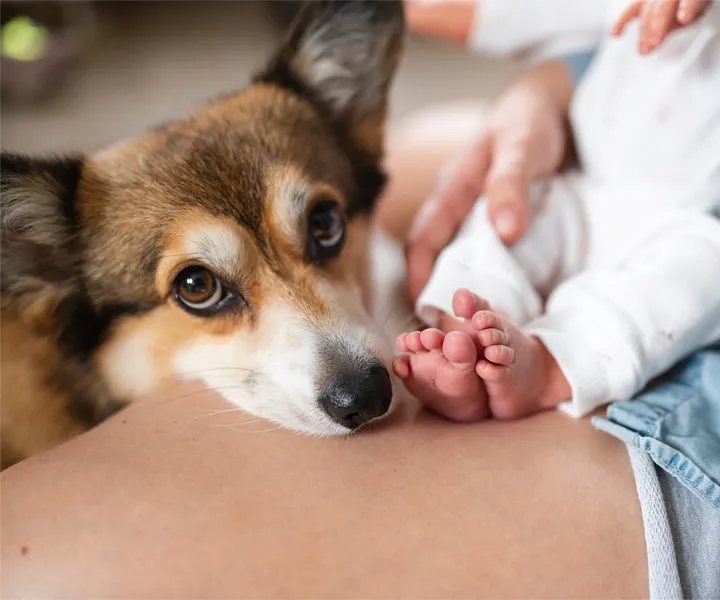
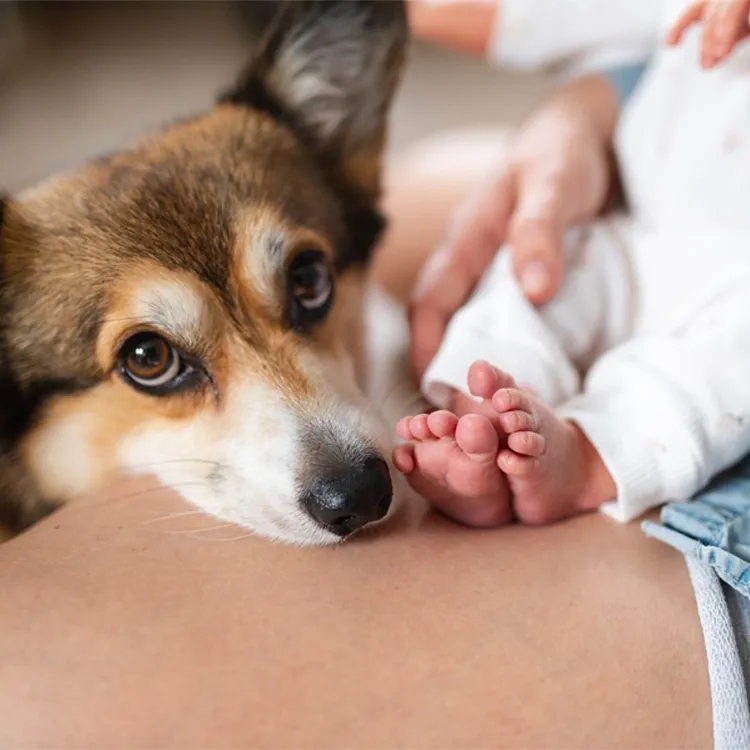
How Can You Prepare Before the Baby Arrives?
The most important work happens months before the due date. You want to adjust your dog's routine now so they do not associate the baby for the changes later.
- Adjust Routines Early: If you plan to change walk times or keep the dog off the furniture, start these new rules now.
- Desensitize to Sounds: You can prepare your dog by playing recordings of crying babies at a low volume while giving them treats. Starting at a low volume but slowly increasing it over time can slowly desensitize and let your dog acclimate to a realistic level of volume associated with a baby's crying teaches them that the sound predicts good things, not stress.
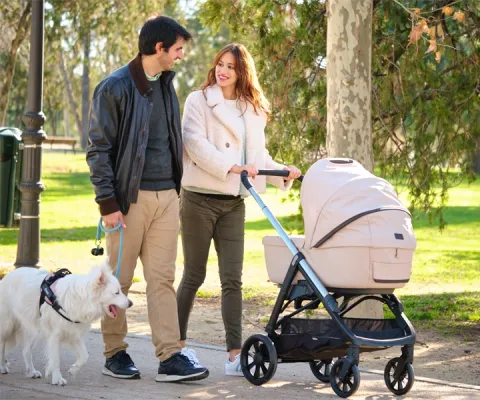
- Introduce Baby Gear: Set up the crib, stroller, and swing early. Let your dog sniff them, but teach them that these items are off-limits for sleeping or jumping.
What Is the "Scent Introduction" Trick?
Dogs rely on their sense of smell to understand the world. You can use this to your advantage before the baby even enters the house.
While you are at the hospital, have a partner or family member bring home a blanket or hat the baby has worn. Let your dog sniff the item from a distance. If they stay calm, give them a treat. This allows your dog to meet the baby's specific scent in a low-stress way before they meet face-to-face.
How Should You Handle the First Meeting?
When you bring the baby home, keep the energy calm and controlled.
-
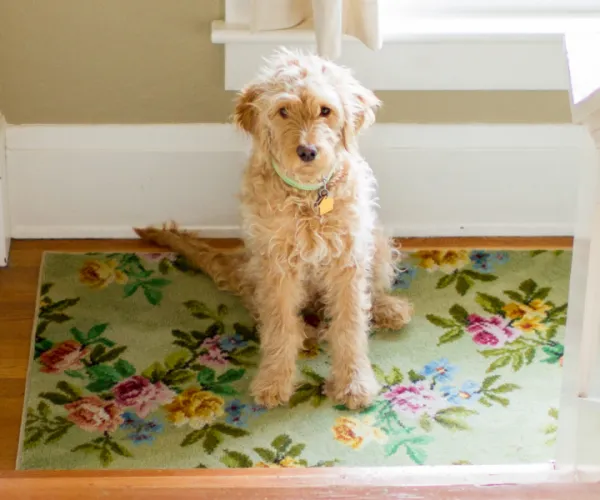
Greet the Dog Alone
Enter the house without the baby first. Leave the baby with a partner outside or in another room. This lets your dog express their excitement and burn off energy without jumping near the infant.
Image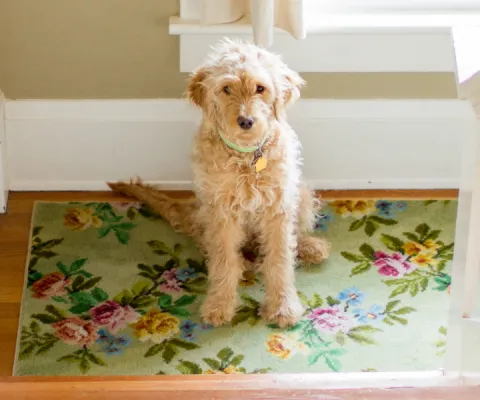
-
Use a Leash
For the first introduction, keep your dog on a loose leash. This gives you a safety net if the dog gets too excited or becomes aggressive.
Image

-
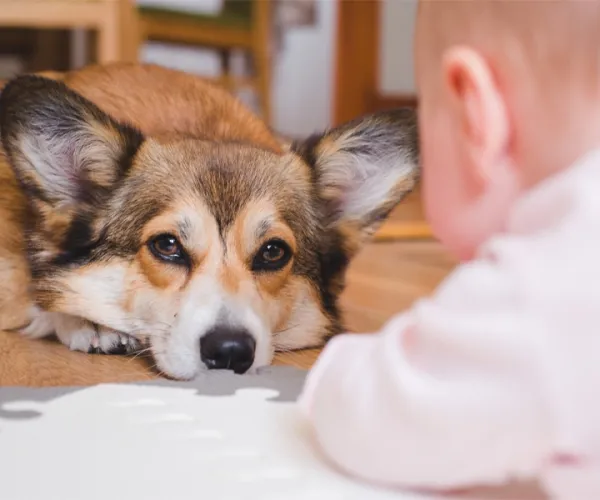
Respect Space
Sit down with the baby and invite the dog to sniff from a respectful distance. Do not force the interaction. If the dog prefers to stay away, let them.
Image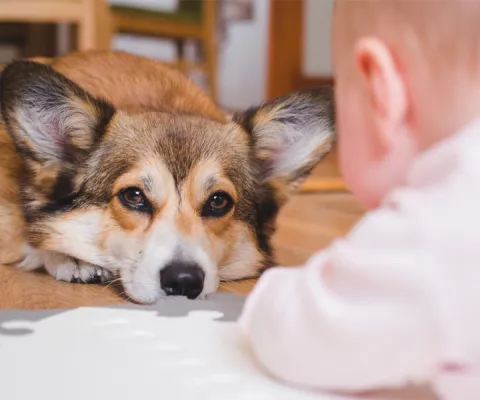
How Do You Prevent Jealousy?
A common mistake is giving the dog attention only when the baby is asleep. This teaches the dog that the baby is a competitor that makes their owner disappear.
Instead, try to include the dog when the baby is awake. When you are nursing or holding the baby, talk to your dog or toss them a treat. This teaches them that the baby's presence leads to praise and rewards, not isolation.
What Are the Warning Signs of Stress?
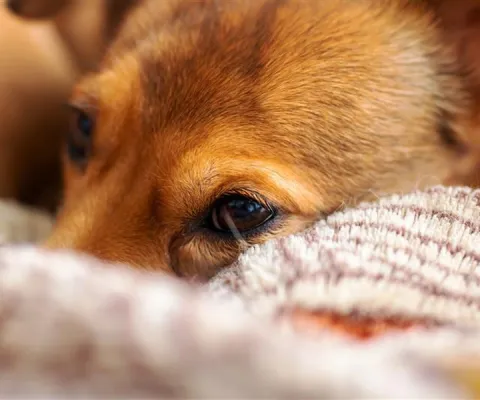
You need to watch your dog's body language closely. A dog who is uncomfortable rarely bites without warning. They usually give silent signals first.
According to the ASPCA, you should watch for these signs of anxiety:
- Whale Eye: Showing the whites of the eyes.
- Lip Licking: Licking the nose or lips when no food is present.
- Avoidance: Turning the head away or trying to leave the room.
- Freezing: Becoming stiff and still.
If you see these signs, separate them immediately. Put the dog in a safe, quiet space like a crate or another room so they can relax.
Frequently Asked Questions
Should I punish my dog for growling at the baby?
Should I punish my dog for growling at the baby?
No. Growling is a warning signal. If you punish the growl, a dog may learn to suppress the warning and bite without notice next time. Instead, separate the dog from the baby immediately
Is it safe to leave my dog alone with the baby?
Is it safe to leave my dog alone with the baby?
No. Never leave a dog and a baby unsupervised, even for a second. Even a gentle dog can accidentally hurt an infant by stepping on them.
My dog is ignoring the baby. Is that bad?
My dog is ignoring the baby. Is that bad?
Indifference is often a great reaction. A dog who ignores the baby is usually relaxed and not threatened. You do not need them to be best friends right away. You just need them to be safe roommates.
Where can I find professional help?
Where can I find professional help?
If your dog shows signs of aggression or extreme fear, do not try to fix it alone. Talking to your veterinarian or utilizing resources like Family Paws offer specialized guidance for managing life with dogs and children safely.
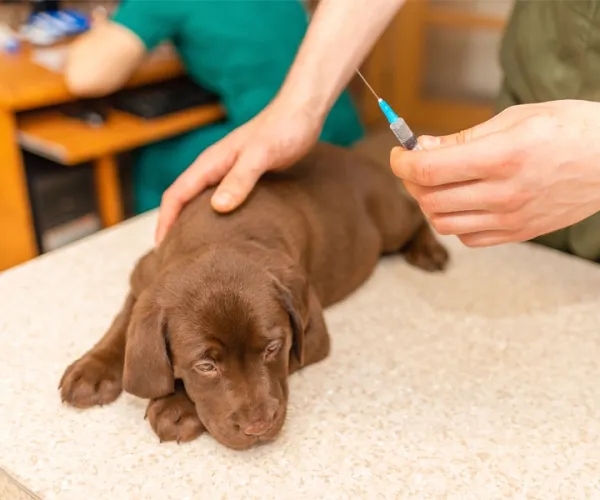
Helping keep your dog protected
A helpful guide to understanding vaccines for your dog and how they help support long-term health.
Vaccinating your dog is one of the most effective ways to help them live a long, healthy life. While it is easy to assume that a dog who stays close to home is safe from disease, viruses can survive in soil, on sidewalks, or be carried by wildlife into your yard.
When you understand which vaccines your dog needs and why, the annual vet visit becomes a calm, practical part of your dog's wellness routine.
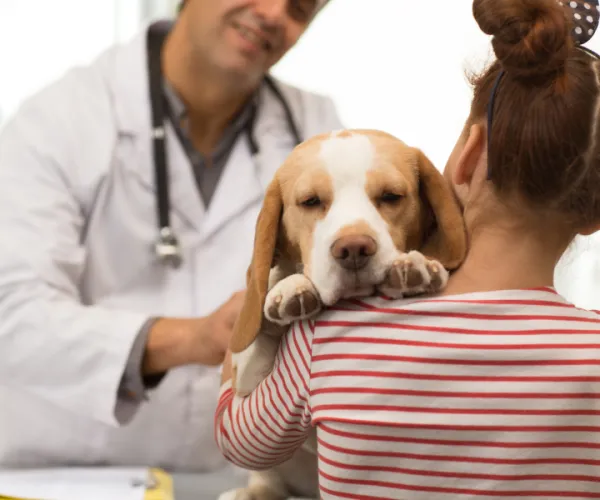
Your dog’s vet visit
A visit to the vet can spark thoughts and feelings of anxiety for both you and your dog. You may be asking yourself, "Is everything okay? Did I miss something? Will my dog behave?"
A little preparation and knowing what to expect when your dog visits the vet can greatly reduce or eliminate this anxiety for both you and your dog.
Vet visits are not about finding fault, they’re about getting oriented. A vet visit is where your veterinarian learns who your dog is, how they live, and what kind of care will help them stay healthy over time.
When you approach it that way, the visit becomes calmer, clearer, and surprisingly reassuring.
The Power of Flea Protection
Indoors and outdoors, fleas can be on the lookout for your pet. That’s why it’s important to talk to your vet about protecting your pet year-round with monthly protection products.
Important Safety Information
NexGard® PLUS (afoxolaner, moxidectin, and pyrantel chewable tablets) is safe for puppies at 8 weeks, weighing 4 pounds or more. The most frequently reported adverse reactions include diarrhea, vomiting, lethargy, and itching. Use with caution in dogs with a history of seizures or neurologic disorders. Dogs should be tested for existing heartworm infection prior to starting a preventive. For more information, click here for full prescribing information.