
Cat Vaccinations
Vaccinating a cat is one of the most effective ways help your cat live a long and healthy life. However, it can also be a source of confusion for many owners.
Part of this confusion comes from the assumption that a cat living strictly indoors is automatically safe from infectious disease. Viruses, however, are resilient. Some can enter a home on shoes or clothing. Even the most content homebody may occasionally slip out an open door.
When you understand which vaccines a cat needs and why, the annual vet visit shifts from a stressful obligation to a calm, practical part of a wellness routine.
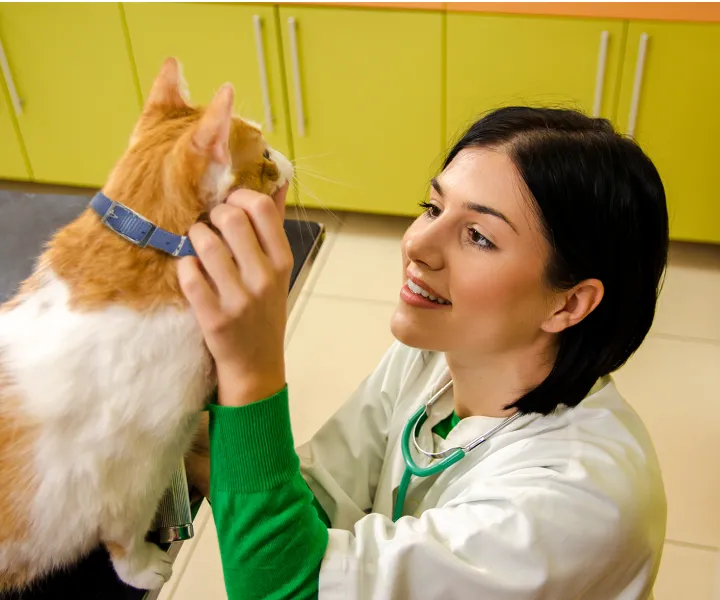
Why Do Cats Need Vaccines?
Vaccines work by preparing the immune system to fight specific diseases. They contain antigens. These look like the disease-causing organism to the immune system but do not actually cause illness.
If a cat is exposed to the real disease later, the immune system recognizes it and fights it off effectively. This protection is vital. Many feline diseases, such as Rabies or Panleukopenia (feline distemper), can be fatal or difficult to treat once contracted.
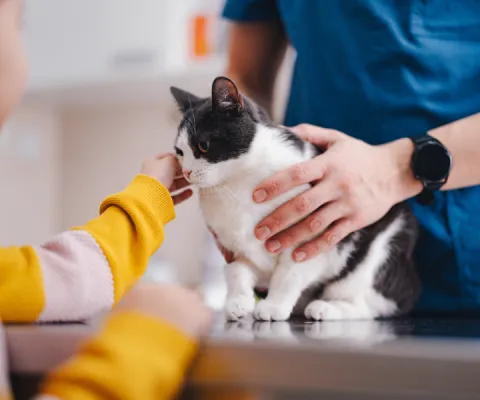
Core vs. Lifestyle Vaccines: What Is the Difference?
Veterinary experts, such as those at the American Animal Hospital Association (AAHA), divide vaccines into two categories. These are Core and Lifestyle-based (or non-core)
- Core Vaccines: recommended for all cats, regardless of their lifestyle. The diseases they prevent are widespread, highly contagious, or dangerous to humans.
- Lifestyle Vaccines: recommended based on specific risk factors, such as whether a cat goes outside or lives with other cats.
Core and lifestyle vaccines may vary between kittenhood and adulthood.

When Should Cats Be Vaccinated?
Vaccination schedules depend on age and history. A typical timeline follows this pattern:
- Kittens (6–16 weeks): Kittens receive a series of vaccinations every 3–4 weeks to build immunity as protection from their mother’s milk fades. This is also the perfect time to discuss other preventive care, such as treating fleas.
- Adults: After the initial kitten series and a one-year booster, many adult cats can move to a schedule of every 1–3 years for core vaccines. This depends on the specific vaccine used and local regulations.
Are There Risks or Side Effects?
Modern vaccines are very safe, although mild side effects can occur. This might look like noticing your cat is extra tired, or has a reduced appetite for a day. Still, the risk of disease is still much higher than the risk of a vaccine.
Some owners are concerned about injection site reactions. To address this, many veterinarians use non-adjuvanted vaccines. These are designed to minimize inflammation at the injection site. Ask your veterinarian if this option is right for your cat.

Frequently Asked Questions
Do strictly indoor cats really need vaccines?
Do strictly indoor cats really need vaccines?
Yes. Core vaccines like Rabies and FVRCP are essential. Rabies is often legally required. Viruses like Panleukopenia can be tracked inside on footwear. All kittens should also be vaccinated against Feline Leukemia Virus (FeLV) as part of their early protection.
How much do cat vaccinations cost?
How much do cat vaccinations cost?
Costs vary by clinic and location. However, the cost of vaccination is significantly lower than the cost of treating the serious viral diseases they prevent.
Can I vaccinate my pregnant cat?
Can I vaccinate my pregnant cat?
Inactivated vaccines are generally considered safer than modified live vaccines for pregnant cats. Always consult your veterinarian and discuss vaccination options with them.
What if I miss a scheduled booster? (Cat version)
What if I miss a scheduled booster?
If a cat is overdue, do not worry. A veterinarian can recommend a "catch-up" plan to ensure immunity is restored effectively.

How to safely treat fleas on kittens
Learn how to spot fleas early and understand safe, age-appropriate steps to help protect your kitten.
Finding a flea on a new kitten is a stressful moment for any owner, but it is also a medical priority that requires immediate attention.
While a flea infestation might just be an itchy nuisance for an adult cat, it can be life-threatening for a kitten. Kittens have very little blood volume, which means the fleas ingesting the kitten's blood can lead to severe anemia. In extreme cases, this loss of blood can be fatal, so treating the problem quickly is about more than just comfort.
Treating a kitten also requires a different approach than treating an adult cat. because their bodies are far more sensitive. They cannot metabolize certain chemicals yet, and their lack of body fat makes them prone to getting dangerously cold during baths.
When you understand how to safely remove these pests, you are protecting your kitten’s immediate health and setting them up for a comfortable, flea-free life.

Ticks on Cats
Just like dogs, cats can get ticks. Below you will find information about ticks on your cat. You’ll also learn how monthly protection, such as NexGard® COMBO (esafoxolaner, eprinomectin, and praziquantel topical solution), plays an important role in protecting your cat from ticks.

How do Cats Get Worms?
Many pet owners are aware that cats can get parasitic worms, but they may not know what kinds of worms pose a problem for cats.
Important Safety Information
NexGard® COMBO (esafoxolaner, eprinomectin, and praziquantel topical solution) is for topical use only in cats. Safe for use in cats and kittens 8 weeks of age or older, weighing 1.8 pounds or more. Use with caution in cats with a history of seizures or neurologic disorders. The most frequently reported adverse reactions include vomiting, application site reactions, lethargy, and anorexia. If ingested, hypersalivation may occur. Avoid direct contact with application site until visibly dry. For more information, click here for full prescribing information.