

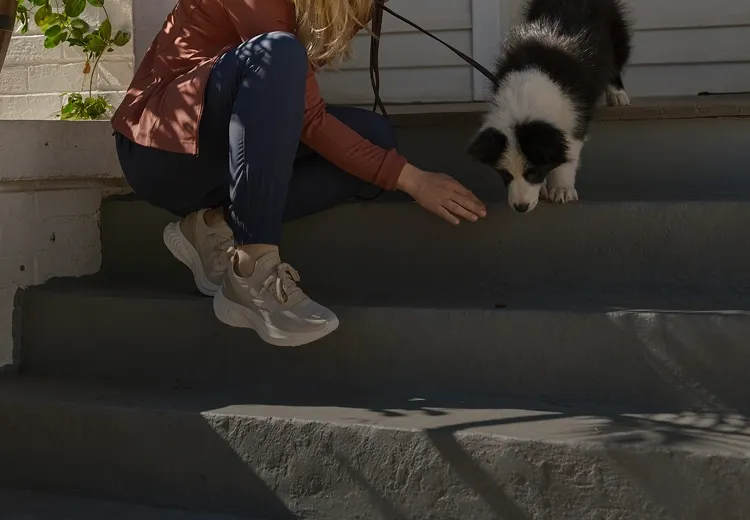
VACCINES
Ensure your puppy is properly vaccinated.
Vaccines are crucial to the well-being of your puppy. Your lifestyle and where you plan to take your puppy will play a significant role in what vaccinations your veterinarian will recommend. Vaccines are broadly categorized as core vaccines and lifestyle (or noncore) vaccines.
Remember, it’s important to discuss all vaccinations with your veterinarian.
Core Vaccines: Recommended for all dogs
Core Vaccines: Recommended for all dogs
| Parvovirus | Distemper | Leptospirosis | Canine hepatitis | Rabies | Bordetella bronchiseptica | Canine parainfluenza | Borrelia burgdorferi (causative agent of Lyme Disease) | Canine influenza |
|---|---|---|---|---|---|---|---|---|
|
|
|
|
|
|
|
|

Lifestyle Vaccines: Recommended based on dog's geographic location, environment, and daily activities
Lifestyle Vaccines: Recommended based on dog's geographic location, environment, and daily activities
| Parvovirus | Distemper | Leptospirosis | Canine hepatitis | Rabies | Bordetella bronchiseptica | Canine parainfluenza | Borrelia burgdorferi (causative agent of Lyme Disease) | Canine influenza |
|---|---|---|---|---|---|---|---|---|
|
|
|
|
|
|
|
|
Discussing your puppy's lifestyle and habits with your veterinarian can help them determine which vaccines to recommend.
Tell your veterinarian about:
- Visits to dog parks or other public places.
- Daycare or boarding facilities.
- Plans to travel with your puppy.
- Outdoor places where you plan to take your companion—hiking trails, beaches, wooded areas.
- Playdates with other dogs.
Important Safety Information
NexGard® PLUS (afoxolaner, moxidectin, and pyrantel chewable tablets) is safe for puppies at 8 weeks, weighing 4 pounds or more. The most frequently reported adverse reactions include diarrhea, vomiting, lethargy, and itching. Use with caution in dogs with a history of seizures or neurologic disorders. Dogs should be tested for existing heartworm infection prior to starting a preventive. For more information, click here for full prescribing information.
NexGard® COMBO (esafoxolaner, eprinomectin, and praziquantel topical solution) is for topical use only in cats. Safe for use in cats and kittens 8 weeks of age or older, weighing 1.8 pounds or more. Use with caution in cats with a history of seizures or neurologic disorders. The most frequently reported adverse reactions include vomiting, application site reactions, lethargy, and anorexia. If ingested, hypersalivation may occur. Avoid direct contact with application site until visibly dry. For more information, click here for full prescribing information.
NexGard® (afoxolaner) is for use in dogs only. Safe for use in puppies 8 weeks of age or older, weighing 4 pounds or more. The most frequently reported adverse reactions include vomiting, itching, lethargy, diarrhea, and lack of appetite. The safe use of NexGard in pregnant, breeding, or lactating dogs has not been evaluated. Use with caution in dogs with a history of seizures or neurologic disorders. For more information, click here for full prescribing information.