
Common mistakes first-time cat owners make
Welcoming a new cat or kitten into the home is an exciting experience, and most first-time owners are genuinely committed to doing what’s best for their new companion. Still, it’s easy to make choices that unintentionally increase a cat’s risk of exposure to infectious diseases. These slip-ups rarely come from neglect; they usually happen because feline health guidelines can feel overwhelming or unfamiliar at first. By learning which mistakes most cat owners make, you can build a cat owner checklist that helps first-time owners gain confidence and establish strong, proactive habits that support their pet’s long-term health and well-being.
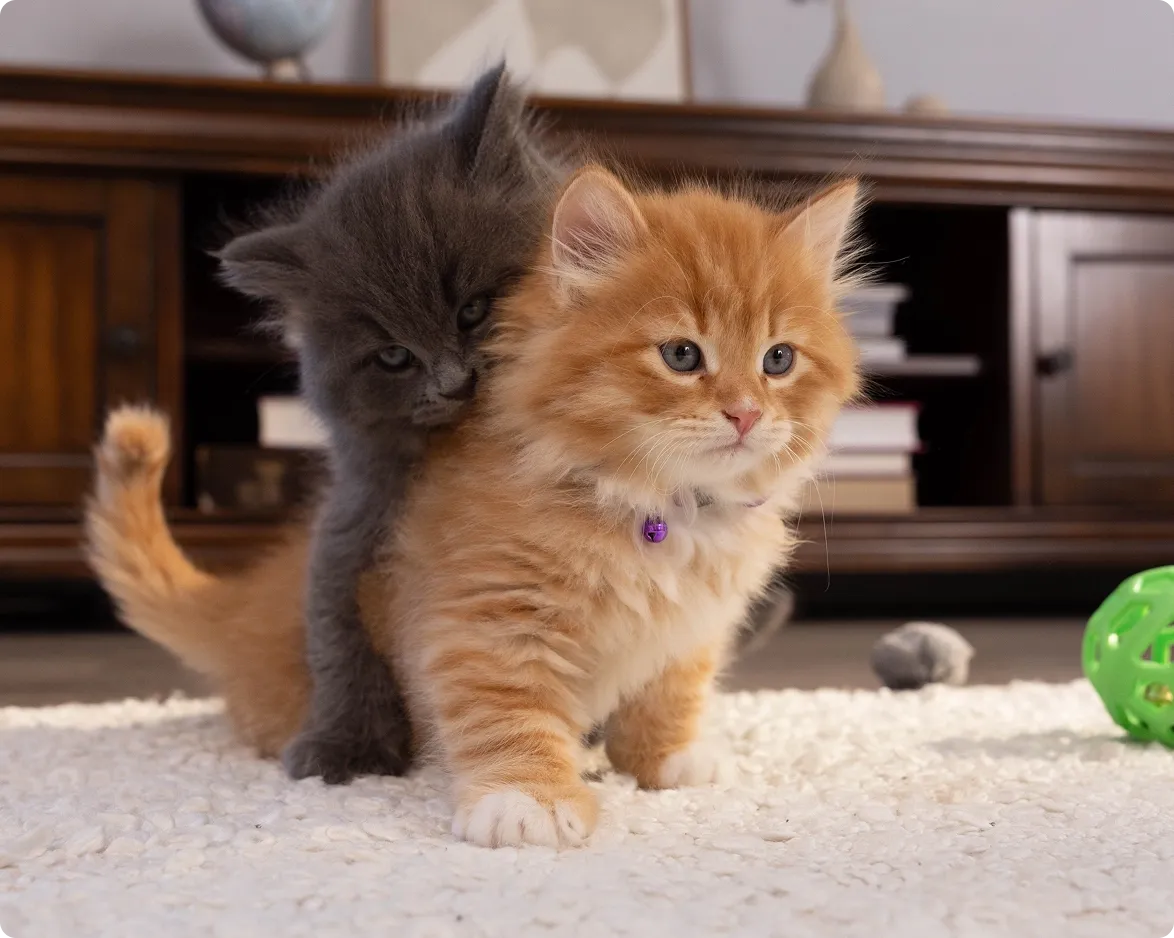
1. Skipping quarantine for new cats
Bringing home a new cat or kitten is exciting, and many owners are eager to introduce their new companion to the rest of the household right away. It’s completely understandable—everyone wants harmony as soon as possible. However, skipping a quarantine period is one of the most common missteps new owners make. Many infectious diseases, including respiratory viruses, feline panleukopenia, and certain gastrointestinal illnesses, can spread before any symptoms appear. A cat may look perfectly healthy while still carrying something contagious, and that’s no one’s fault—it’s simply how these diseases work.
How long should a new cat be quarantined? Usually about 1-2 weeks gives your new cat time to settle in while also protecting your resident pets. This window allows for veterinary exams, updates on vaccinations, and careful observation for any early signs of illness that might otherwise go unnoticed. Many first-time owners underestimate this risk, especially when adopting an indoor cat or a kitten that seems healthy. Learning about the importance of quarantine empowers owners with knowledge that helps keep every pet in the home safe and healthy.
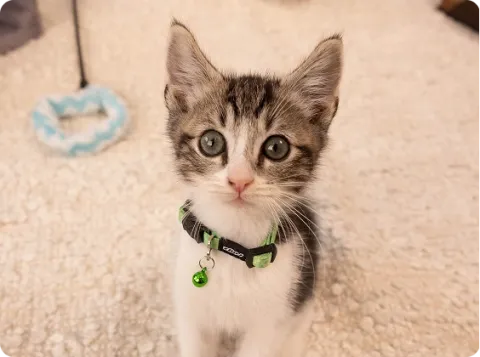
2. Not testing before introducing to other cats
It’s completely natural for new cat owners to assume that a recently adopted cat—especially one that looks bright, playful, and healthy— poses little risk to other pets. Many people don’t realize that some infectious diseases can be present without any obvious signs. Conditions such as feline leukemia virus (FeLV), feline immunodeficiency virus (FIV), and certain intestinal parasites may not show signs right away, yet they can still be transmitted to resident cats. This isn’t a mistake born from carelessness; it’s simply a gap in knowledge that many first-time owners share.
Screening a new cat for common infectious diseases provides clarity and peace of mind. It allows owners to make informed decisions about introductions, vaccination plans, and long-term care. Testing also helps identify issues early, when treatment or management is often more effective. Many new owners are surprised to learn how routine and accessible these tests are—and how much reassurance they can offer. Understanding the value of early testing empowers owners to protect both their new companion and the pets already in the home.

3. Not completing kitten vaccines ... consult a veterinarian
It’s very common for new kitten owners to feel unsure about how many vaccines their kitten needs or when to return for additional vaccine visits. Life gets busy, schedules shift, and it’s easy to assume that one or two vaccines are enough—especially when a kitten seems healthy and energetic. But kittens have developing immune systems, and they rely on a full, properly timed vaccine series to help build strong, lasting protection.
Maternal antibodies, which kittens receive from their mother, can interfere with early vaccines. Because of this, kittens need multiple vaccines at specific intervals to help ensure their immune system learns to respond effectively. When vaccine appointments are missed, even unintentionally, a kitten may be left only partially protected and more vulnerable to preventable illnesses. Even a single missed visit can reduce how well the vaccines work.
When pet owners understand how the vaccine series work, it empowers them to stay on track and give their kitten the best possible start. With the right information and support, completing the full series becomes much easier—and it sets the foundation for a lifetime of good health.
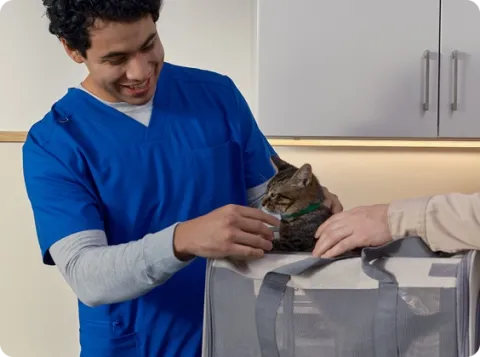
4. Forgetting parasite and other testing ... what about indoor-only cats?
It’s very common for new cat owners to overlook or delay important diagnostic tests like fecal parasite screenings or retroviral testing for FIV and FeLV. These tests can feel unfamiliar at first, especially when a cat appears healthy. What many people don’t realize is that parasites and viral infections often cause no immediate clinical signs. Early testing isn’t about assuming the worst—it’s about giving both the new cat and any resident pets the safest possible start.
Some owners understandably assume that indoor cats or recently adopted pets have a low risk of exposure. However, parasites can be passed from the mother before birth, and retroviruses may have been contracted long before adoption. Even indoor-only cats aren’t completely protected. Pathogens can enter the home indirectly on shoes or clothing, through visiting pets, or even via insects like mosquitoes, which can transmit heartworm.
Routine activities—such as veterinary visits, grooming appointments, or boarding—also increase the chance of exposure. That’s why consistent parasite testing, prevention, and vaccination remain important for every cat, regardless of lifestyle.
Finally, new owners sometimes misinterpret mild clinical signs or dismiss early symptoms as behavioral issues or stress from transitioning to a new home. Delaying veterinary evaluation can allow disease processes to progress unchecked.
Final thoughts
Caring for a new cat or kitten is a joyful experience, and it’s completely normal for first time owners to feel unsure about certain aspects of health and disease prevention. Every pet owner starts somewhere, and learning along the way is part of the journey. The choices you make—quarantining new arrivals, completing vaccines, testing for parasites, and staying consistent with preventive care—can make a meaningful difference in your cat’s long‑term well‑being.
Mistakes or misunderstandings don’t mean someone is a bad pet owner; they simply reflect how complex feline health can be. What matters most is the willingness to learn, ask questions, and take steps that support a safe and healthy environment for all pets in the home. With the right information and a little guidance, new cat owners can feel confident in the care they provide and build strong habits that protect their companions for years to come.
You’re already doing something important by seeking out this knowledge—and your cat is lucky to have someone so committed to their health and happiness.
Dr. Donna Krochak currently serves as a Senior Professional Services Veterinarian for Boehringer Ingelheim Animal Health, where she works closely with veterinarians, shelters, and veterinary students to support education and elevate patient care. After graduating from the University of Wisconsin–Madison School of Veterinary Medicine, she spent 27 years in private practice, forming trusted relationships with clients and guiding them through the complexities of pet health. Her passion has always centered on helping pet owners feel informed, supported, and connected to their veterinary team—because when those relationships thrive, pets receive the best care possible.

US-PET-0159-2026