
Dog parks can wait—smart socialization can't
Practical advice for new puppy owners on how to socialize a puppy from day one.
The great puppy paradox
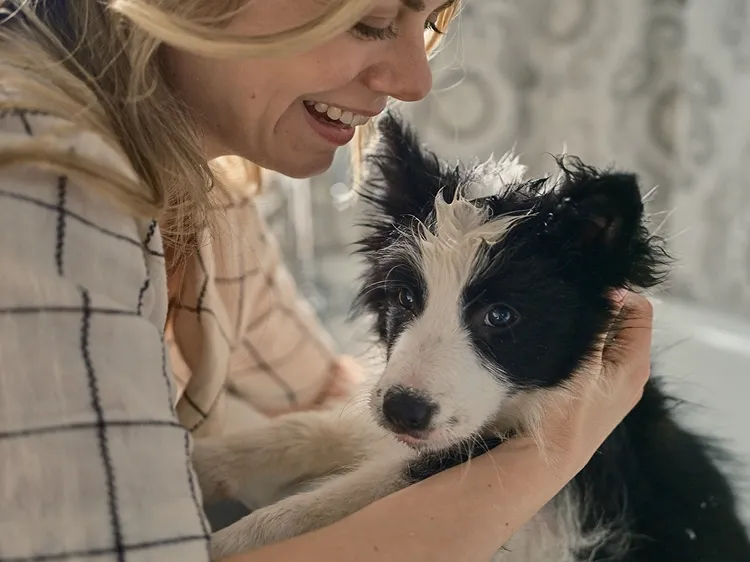
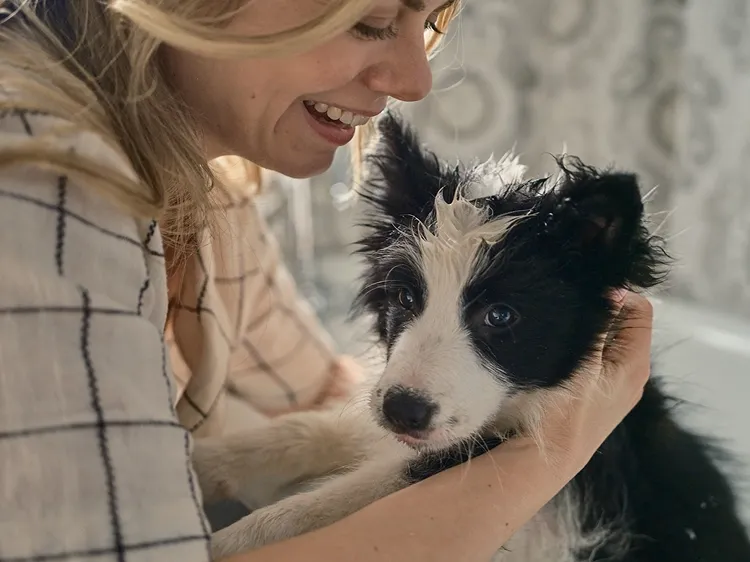
My neighbor recently returned from running with the bulls in Pamplona, Spain. Miraculously, he appears to be all in one piece despite his thrilling story of how close he came to an alternate fate! Now, most of us will never sprint through cobblestone streets with half a ton of horned adrenaline at our heels—but there is one experience that comes surprisingly close in sheer excitement: bringing home a new puppy!
All of the joy wrapped up in those first puppy moments can soon give way to confusion as a flood of advice pours in, much of it conflicting. One BIG question that emerges is:
Can you Socialize a Puppy Before Vaccinations?
On one hand, veterinary behaviorists say early socialization is absolutely critical for raising a confident, well-adjusted dog. On the other hand, veterinary infectious disease experts rightfully warn about serious diseases like parvovirus and distemper lurking in public spaces. SPOILER ALERT: It turns out they are both right! So, what’s a responsible pet owner to do? Let’s dig in to find a solution
Why is puppy socialization important?
The first three months of life—roughly 3 to 14 weeks of age—are your puppy’s golden window for socialization.1 During this time, they’re forming lifelong impressions about the world. Puppies who miss out often grow up fearful or anxious, which can lead to aggression or even surrender to shelters later on.
Behavioral issues are the number one cause of death in dogs under 3 years old, far surpassing infectious disease.2
Socialization isn't just about meeting other dogs. It's about positive exposure to:
- Different people (kids, adults, folks in hats!)
- Sounds (vacuum cleaners, traffic, thunderstorms)
- Surfaces/enclosures (tile, grass, gravel, dog crate)
- Handling for future care (nail trims, ear cleaning, grooming)
- Everyday life (car rides, vet visits)

What’s the end goal? A dog who greets the world with a tail wag, not fear or anxiety. The more positive experiences your dog has now, the less chance of headaches for you later!
Why disease risk is reality
Here’s the catch: Puppies are more susceptible to really serious, life-threatening diseases than adult dogs. Your veterinarian will design a vaccine schedule to help protect your pup as soon as possible, but it isn’t a magic bubble that will shield them until they have built up their own protective immunity.
How long does it take for dog vaccines to take effect?
That protection won’t be on board until 2 weeks after their final vaccine, often given as late as 18-20 weeks of age.3,4 Also, giving vaccines closer together doesn’t speed up immunity. You really do have to allow sufficient time between doses to ensure your pup can respond to each vaccine.
So, what’s key when it comes to vaccinations?
- Take your puppy to the veterinarian early to develop a vaccine plan
- Prioritize vaccine appointments to help prevent gaps in protection
Bottom line: Your veterinarian’s schedule isn’t just a suggestion—it’s your puppy’s best defense against serious disease. Stick to every appointment, and follow the plan so your pup gets full protection to keep them healthy!
How do I safely socialize a puppy before vaccinations?
It may seem like there’s no middle ground, but there is! You don’t have to choose between health and happiness. Here’s how to do both:
1. Pick safe spaces
Skip places like dog parks where dogs of unknown vaccine/health status frequent. Instead:
- Host playdates with healthy, vaccinated dogs you know.
- Attend puppy training classes that require vaccine records, parasiticide protection, and sanitized surfaces.
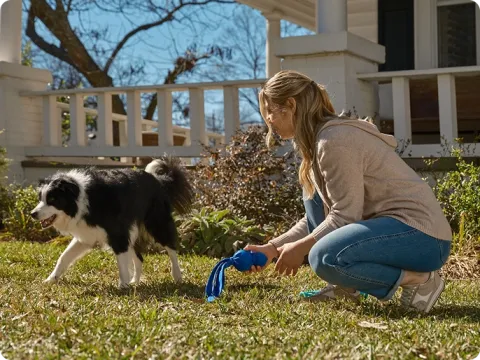
- Use your backyard or a trusted friend’s yard for exploration.
2. Start small and keep it positive
Socialization isn’t about manicuring the perfect doggy experience each day, it’s about exposing your pup to the normal sights, sounds, and stimuli early, so they aren’t anxious when they encounter them later in life. Keep sessions short, upbeat, and reward with treats. If your puppy shows signs of any anxious behavior (tucked tail, yawning, lip licking), take a break.

3. Stay on top of health
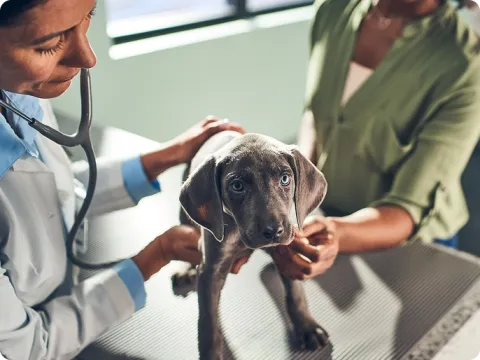
Visit the vet early on to get your puppy on track for a healthy first year of life! You’ll see the veterinary professionals quite a few times during puppyhood, but these are great opportunities to check in with any questions you have regarding vaccines, parasiticide protection and socialization/training.
Final words of wisdom
✅ Schedule a puppy wellness visit with your veterinarian today.
✅ Ask about safe socialization strategies tailored to your pup.
✅ Remember—dog parks can wait, but smart socialization can’t!
Dr. Andrew Clark took quite the circuitous route to veterinary medicine. Raised in Terre Haute, IN, he graduated early from the University of Cincinnati’s College-Conservatory of Music (CCM) with a BFA in music theater and soon found himself in the Broadway production of Les Misérables at the age of 21. He worked as a professional union actor on Broadway, Broadway National Tours, Orchestral concerts and regional theater productions for 8 years before convincing his wife of his plan to “retire” from acting by becoming a veterinarian.
Andrew got his DVM from the University of Wisconsin-Madison before completing a rotating small animal internship in Louisville, Kentucky. His veterinary career includes work with the ASPCA in New York City as well as 7 years in private practice as both an ER vet and general practitioner. Nowadays, he enjoys using a lot of his prior training in communication to better teach, listen, and connect with the veterinary community as an industry veterinarian.

US-PET-0158-2026