
How Do Dogs Get Heartworm Disease?
Heartworm disease isn’t caused by neglect or rare circumstances. It usually develops because of small gaps in protection that are easy to overlook. A missed dose. An unexpected warm spell. A mosquito that finds its way indoors.
Understanding how heartworm disease spreads, why it’s often detected later than expected, and how prevention works helps turn heartworm from a scary topic into a manageable part of routine dog care.


How Do Dogs Get Heartworm Disease?
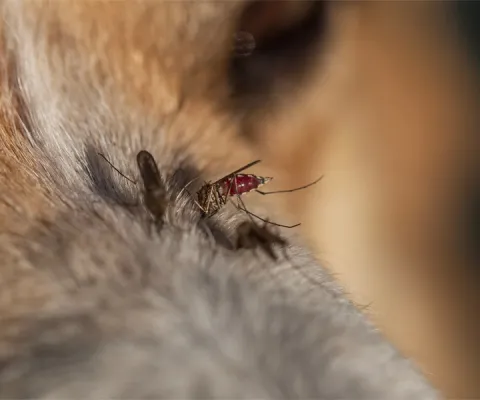
Dogs get heartworm disease through the bite of an infected mosquito. When a mosquito carrying microscopic heartworm larvae bites a dog, the larvae enter the bloodstream and begin to develop.
Over several months, those larvae mature and migrate to the heart, lungs, and nearby blood vessels. Once adult heartworms are established, they can interfere with normal heart and lung function, which is why the disease can become serious if it goes undetected.
A helpful way to think about heartworm risk is this: if mosquitoes can reach your dog, the risk of heartworm disease is possible. Mosquitoes don’t stay outdoors, and they don’t follow regional boundaries. Dogs in all 50 states are at risk can still be exposed.
How Common Is Heartworm Disease in Dogs?
Heartworm disease is common enough that veterinarians treat heartworm disease prevention as routine, not optional. Thousands of dogs are diagnosed each year, and the condition often goes unnoticed in the early stages.
Veterinarians often see heartworm disease cases in dogs whose owners believed they were at low risk. These are dogs that look healthy, receive regular care, or most likely had gaps in prevention. Because the disease develops quietly, exposure can happen long before anyone realizes it. This is why prevention is critical.

What Are the First Signs of Heartworm Disease in Dogs?
One challenge with heartworm disease is that early symptoms are often subtle or absent.Many dogs seem completely normal while the infection progresses.
When signs do appear, they may include:
- Mild persistent cough
- Lethargy
- Exercise intolerance
- Weight loss
- Swollen (fluid-filled) belly
- Difficulty breathing
- Caval syndrome (Signs include labored breathing, pale gums, and dark, bloody urine)
These signs are not unique to heartworm disease, which is why veterinarians rely on testing rather than symptoms alone.

How Do Veterinarians Diagnose Heartworm Disease?
Veterinarians diagnose heartworm disease using blood tests that detect heartworm proteins or circulating larvae. These tests are commonly part of routine wellness care, even for dogs that appear healthy.
Testing is especially important for dogs that are new to a household, have traveled, or are restarting prevention after a lapse. Establishing a clear testing routine helps close gaps before they turn into problems.
Can Heartworm Disease Be Prevented?
Yes. Preventing heartworm disease is far easier and safer than treating an established infection. For this reason, many veterinarians recommend consistent, year-round heartworm disease prevention as part of routine care.
Preventive medications work by eliminating immature heartworms before they can develop into adults. During preventive care discussions, veterinarians may recommend prescription options based on a dog’s age, lifestyle, and risk factors.

Heartworm Disease Prevention
If you’re unsure about your dog’s heartworm disease risk or prevention status, a conversation with your veterinarian is the best next step. They can recommend appropriate testing, review your dog’s history, and help you develop a heartworm disease prevention plan that fits your routine.
Heartworm disease is serious, difficult, and costly to treat. When heartworm disease prevention is part of everyday life, it becomes something you stay ahead of, not something you react to.
Frequently Asked Questions
How often should dogs be tested for heartworm?
How often should dogs be tested for heartworm?
Many veterinarians recommend annual testing, even for dogs on heartworm disease prevention.
Is heartworm disease fatal in dogs?
Is heartworm disease fatal in dogs?
It can be serious if left untreated, but heartworm disease prevention and early detection greatly reduce risk.

Heartworm Disease Basics You Should Know
Heartworm disease is a serious risk to both dogs and cats. The following information provides the basics about heartworm disease, how you can help prevent this dangerous disease from harming your pets, and products to help protect your pet including NexGard® PLUS (afoxolaner, moxidectin, and pyrantel chewable tablets) for dogs and NexGard® COMBO (esafoxolaner, eprinomectin, and praziquantel topical solution) for cats.

Common Questions About Heartworm Disease
Heartworm disease is a serious and potentially fatal condition. Fortunately, it is preventable with the use of monthly preventive medications such as NexGard® PLUS (afoxolaner, moxidectin, and pyrantel chewable tablets).

Understanding Roundworms in Dogs
Roundworms are a common parasitic worm found in dogs. Because it is hard to eliminate roundworm eggs in the environment, they can persist for a long time. Without treatment, infection can be very difficult to control.
Important Safety Information
NexGard® PLUS (afoxolaner, moxidectin, and pyrantel chewable tablets) is safe for puppies at 8 weeks, weighing 4 pounds or more. The most frequently reported adverse reactions include diarrhea, vomiting, lethargy, and itching. Use with caution in dogs with a history of seizures or neurologic disorders. Dogs should be tested for existing heartworm infection prior to starting a preventive. For more information, click here for full prescribing information.