
Common Questions About Heartworm Disease in Dogs
Heartworm disease is a serious and potentially fatal condition. Fortunately, it is preventable with the use of monthly preventive medications such as NexGard® PLUS (afoxolaner, moxidectin, and pyrantel chewable tablets).


Heartworm Disease in Dogs
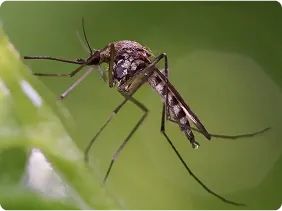
Heartworm disease is a serious and oftentimes fatal disease caused by a parasitic worm called Dirofilaria immitis. It is transmitted through the bite of an infected mosquito. Mosquitoes carry the immature stages of the heartworm as a result of previously feeding on an infected dog, coyote, wolf, or fox. After biting an unprotected dog, the heartworm larvae work their way to the heart and pulmonary artery, where the damage begins.
Where Is Heartworm Disease Found?
Heartworm disease can be found in many parts of the world, including temperate and tropical regions—most prevalent in areas with high mosquito populations, such as humid environments and areas near bodies of water. In the United States, heartworm disease has been diagnosed in all 50 states.1 Talk to your veterinarian to see how prevalent it is in your area.
What Do Heartworms Do to the Dog?
Once inside your dog’s body, the heartworm larvae migrate through the tissues and eventually reach the heart and lungs. Adult heartworms can grow up to 12 inches in length and can live for several years. Heartworms live and feed in the heart, lungs, and associated blood vessels, causing damage and impairing the organs’ normal functions. They can also cause inflammation, obstruction of blood flow, and damage the heart and lung tissues. The presence of heartworms can lead to severe health issues, including coughing, difficulty breathing, fatigue, weight loss, and death if left untreated.
Heartworm Disease Treatment
You never want to hear that your dog has heartworm disease. While most infected dogs can be successfully treated, heartworm disease treatment can be costly and difficult, requiring multiple veterinary visits and months of exercise restriction to prevent complications.2,3
Prevention is the best option to keep your dog protected. Heartworm disease preventives are safe and easy to give. Ask your vet about preventive products such as NexGard PLUS (afoxolaner, moxidectin, and pyrantel chewable tablets) for dogs.
Common Myths About Heartworm Disease in Dogs
-
Myth: Heartworm disease isn’t an issue unless you live in a warm climate.
Fact: Heartworm disease has been reported in all 50 US states in different regions and climates.1 All it takes is one bite from an infected mosquito.
-
Myth: Why bother with prevention? I can just treat heartworm disease if my dog gets it.
Fact: Treating heartworm disease is expensive, and damage from heartworm disease may be permanent despite treatment. The recommended treatment requires three injections of an arsenic compound over two months to kill the adult worms. This coincides with strict cage rest lasting six weeks or more, which allows the worms to die and decompose slowly. If your dog is too active during this time, dangerous complications can result. Treatment can also be expensive.3
-
Myth: My dog is on a heartworm disease prevention product and doesn’t need to be tested.
Fact: Although products such as NexGard PLUS chews are incredibly effective, annual testing is highly recommended. Annual testing is necessary, even when dogs are on heartworm disease prevention year-round, to ensure that the prevention program is working. Heartworm disease preventives are highly effective when given every 30-31 days. Even a small lapse in prevention can put your dog at risk of acquiring heartworm disease. If you don’t get your dog tested, you won’t know your dog needs treatment.1
Key Takeaways About Heartworm Disease in Dogs
- Heartworm disease is serious and could be fatal if left untreated. All it takes is one bite from an infected mosquito.
- Heartworm disease has been diagnosed in all 50 US states.1 Ask your vet about heartworm disease in your area.
- Make sure to test your dog annually.
- Monthly, year-round prevention is key to help keep your dog protected from heartworm disease. Talk to your vet about heartworm disease preventives, such as NexGard PLUS.
- Heartworm Basics. American Heartworm Society. Accessed April 6, 2025. https://www.heartwormsociety.org/pet-owner-resources/heartworm-basics
- American Heartworm Society. Heartworm Prevention for Dogs. Accessed April 6, 2025. https://www.heartwormsociety.org/petowner-resources/heartworm-prevention-for-dogs
- Weigh the Costs Infographic. American Heartworm Society. Accessed October 7, 2020. https://d3ft8sckhnqim2.cloudfront.net/images/infographics/0010-weigh-the-costs.jpg
Important Safety Information
NexGard® PLUS (afoxolaner, moxidectin, and pyrantel chewable tablets) is safe for puppies at 8 weeks, weighing 4 pounds or more. The most frequently reported adverse reactions include diarrhea, vomiting, lethargy, and itching. Use with caution in dogs with a history of seizures or neurologic disorders. Dogs should be tested for existing heartworm infection prior to starting a preventive. For more information, click here for full prescribing information.
NexGard® COMBO (esafoxolaner, eprinomectin, and praziquantel topical solution) is for topical use only in cats. Safe for use in cats and kittens 8 weeks of age or older, weighing 1.8 pounds or more. Use with caution in cats with a history of seizures or neurologic disorders. The most frequently reported adverse reactions include vomiting, application site reactions, lethargy, and anorexia. If ingested, hypersalivation may occur. Avoid direct contact with application site until visibly dry. For more information, click here for full prescribing information.
NexGard® (afoxolaner) is for use in dogs only. Safe for use in puppies 8 weeks of age or older, weighing 4 pounds or more. The most frequently reported adverse reactions include vomiting, itching, lethargy, diarrhea, and lack of appetite. The safe use of NexGard in pregnant, breeding, or lactating dogs has not been evaluated. Use with caution in dogs with a history of seizures or neurologic disorders. For more information, click here for full prescribing information.