
Your Dog’s Vet Visit
A visit to the vet can spark thoughts and feelings of anxiety for both you and your dog. You may be asking yourself, "Is everything okay? Did I miss something? Will my dog behave?"
A little preparation and knowing what to expect when your dog visits the vet can greatly reduce or eliminate this anxiety for both you and your dog.
Vet visits are not about finding fault, they’re about getting oriented. A vet visit is where your veterinarian learns who your dog is, how they live, and what kind of care will help them stay healthy over time.
When you approach it that way, the visit becomes calmer, clearer, and surprisingly reassuring.
What Happens During a Typical Vet Visit?
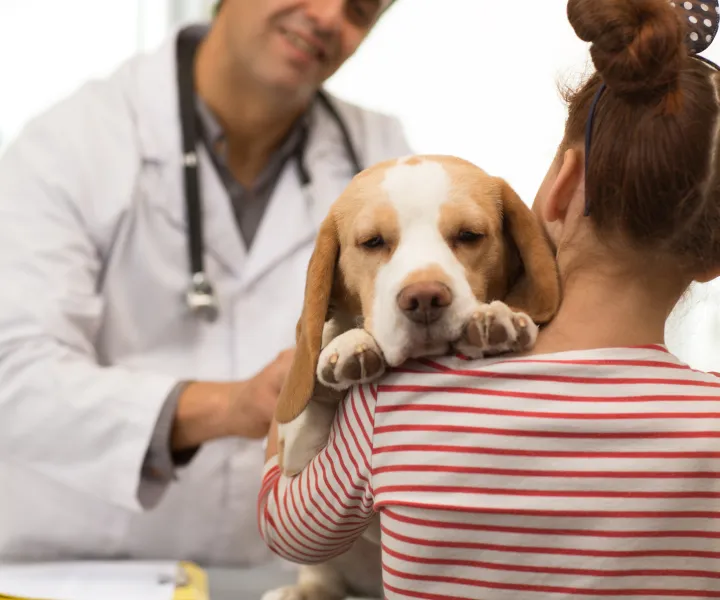
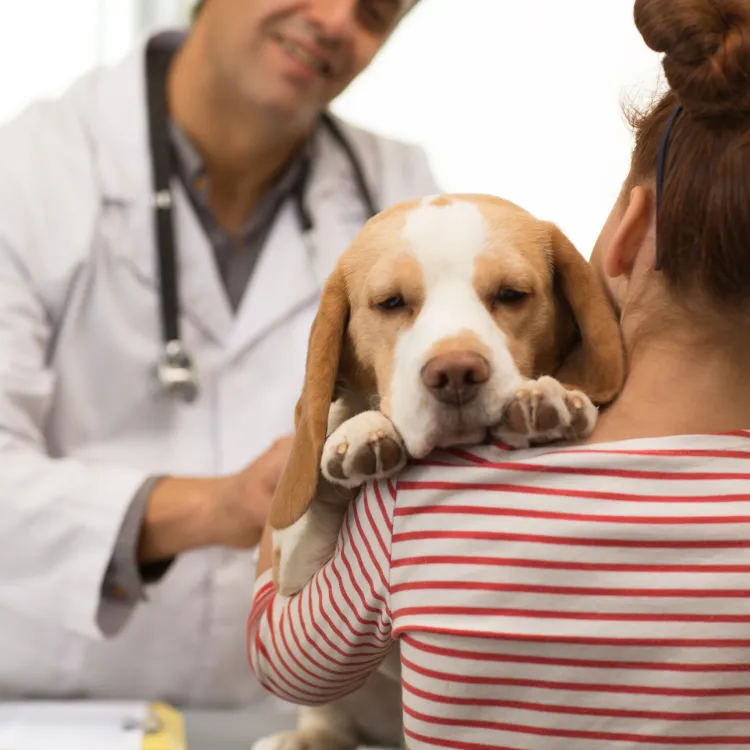
A routine vet visit usually starts with a full physical exam. Your veterinarian will check your dog’s eyes, ears, teeth, skin, heart, lungs, and joints, along with weight and body condition. They’ll also ask about eating habits, energy levels, behavior, and any changes you’ve noticed at home.
This exam isn’t solely a snapshot. Veterinarians often describe it as setting a baseline. By understanding what “normal” looks like for your dog early on, small changes become easier to recognize later.
Why Vet Visits Matter, Even When Nothing Seems Wrong
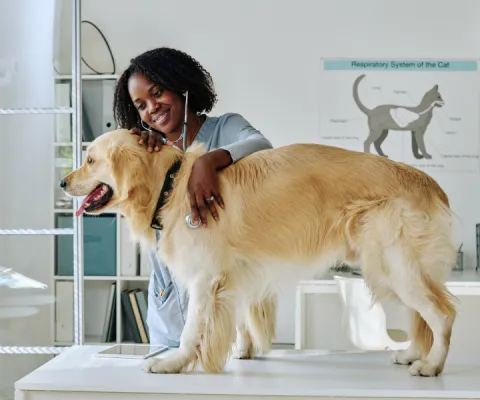
One pattern veterinarians see often is that dogs appear perfectly fine until they’re not. Many health issues develop gradually and don’t cause obvious symptoms at first.
Regular vet visits help catch subtle changes early, when they’re easier to manage. For new dog owners, these visits are also a chance to ask questions and learn what’s typical for your dog’s age, breed, and lifestyle. From diet and exercise to grooming.

Topics Your Vet Is Likely to Cover
Beyond the physical exam, your veterinarian will usually talk through preventive care topics that support long-term health.
These often include:
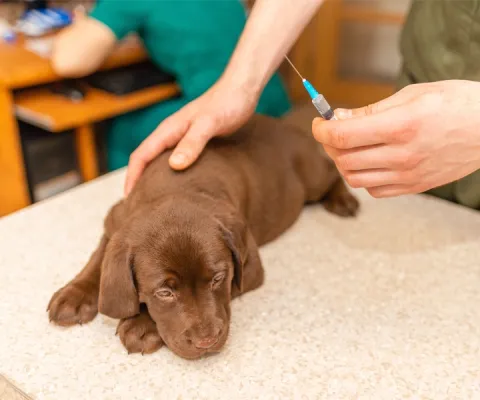
- Vaccination schedules
- Parasite protection, including protection against fleas, ticks, and heartworm
- Nutrition and maintaining a healthy weight
- Dental care
- Training, socialization, and behavior
These discussions aren’t one-size-fits-all. They’re meant to reflect how your dog actually lives, whether that’s city walks, backyard play, travel, or time around other animals.
Smart Questions to Ask at Your Dog’s Vet Visit
Vet visits are one of the best times to get clarity. If you’re unsure what to ask, these questions can help guide the conversation:
- Is my dog’s weight and activity level on track?
- What preventive care should I focus on right now?
- How often should we schedule checkups or testing?
- Are there changes at home I should watch for between visits?
Veterinarians expect questions. Asking them helps ensure your dog’s care plan fits real life, not just a checklist.
Where Protective Care Fits In
Protective care is a core part of most vet visits because it helps protect dogs before issues arise. Many veterinarians recommend year-round parasite protection, as part of routine care, especially since exposure to parasites can happen in everyday environments.
During these conversations, your vet may recommend prescription products based on your dog’s needs. The goal isn’t to add complexity. It’s to simplify decisions by addressing common risks early.

Tips to Make Vet Visits Easier
A little preparation can make visits smoother for everyone:
- Bring medical records or notes about recent changes
- Write down questions ahead of time
- Bring a favorite treat or toy for comfort
- Schedule appointments when your dog is usually calm
Over time, regular visits tend to feel familiar rather than stressful, especially when dogs associate them with positive experiences.
The Bigger Picture
A vet visit isn’t a single event. It’s the starting point for an ongoing partnership focused on keeping your dog healthy as they grow and change.
With regular checkups, open conversations, and preventive care, vet visits stop feeling like something to brace for and start feeling like a normal, supportive part of dog ownership — one that helps you stay ahead of issues and enjoy more good days together.
Frequently Asked Questions
How often should I take my dog to the vet?
How often should I take my dog to the vet?
Most veterinarians recommend at least one wellness visit per year for healthy adult dogs. Puppies, senior dogs, or dogs with ongoing health needs may be seen more often based on individual care plans.
What should I bring to my dog’s vet visit?
What should I bring to my dog’s vet visit?
Bring any previous medical records, a list of medications your dog is taking, and notes about recent changes in behavior, appetite, or activity. Writing down questions ahead of time can also be helpful.
Is it normal for dogs to feel nervous at the vet?
Is it normal for dogs to feel nervous at the vet?
Yes. Many dogs find new environments stressful. Bringing familiar treats, keeping visits calm and positive, and scheduling appointments during quieter times can help.
Will my vet talk about parasite prevention at every visit?
Will my vet talk about parasite prevention at every visit?
Often, yes. Consistent protection is a routine part of vet visits because it helps protect dogs before problems arise.

Heartworm Disease Basics You Should Know
Heartworm disease is a serious risk to both dogs and cats. The following information provides the basics about heartworm disease, how you can help prevent this dangerous disease from harming your pets, and products to help protect your pet including NexGard® PLUS (afoxolaner, moxidectin, and pyrantel chewable tablets) for dogs and NexGard® COMBO (esafoxolaner, eprinomectin, and praziquantel topical solution) for cats.

Tick Protection Tips for Dogs
All dogs are at risk of tick bites. A single tick bite can lead to multiple health concerns. This is why it’s so important to be proactive and do everything you can to reduce your dog’s risk of tick exposure as well as provide the monthly, year-round protection of either NexGard® PLUS (afoxolaner, moxidectin, and pyrantel chewable tablets) or NexGard® (afoxolaner).

Common Intestinal Parasites in Dogs
Two of the most common types of intestinal parasites in dogs are hookworms and roundworms
Important Safety Information
NexGard® PLUS (afoxolaner, moxidectin, and pyrantel chewable tablets) is safe for puppies at 8 weeks, weighing 4 pounds or more. The most frequently reported adverse reactions include diarrhea, vomiting, lethargy, and itching. Use with caution in dogs with a history of seizures or neurologic disorders. Dogs should be tested for existing heartworm infection prior to starting a preventive. For more information, click here for full prescribing information.