
Your Cat’s Vet Visit
For many cat owners, the idea of a vet visit can feel stressful before it even begins. The carrier comes out, your cat hides, and the whole experience feels like something to endure. But a vet visit for cats isn’t meant to be a high-pressure event. It’s a chance to establish a baseline for health, build familiarity, and support preventive care that fits your cat’s lifestyle.
When approached as a calm partnership with your veterinarian, vet visits become smoother and more useful over time.
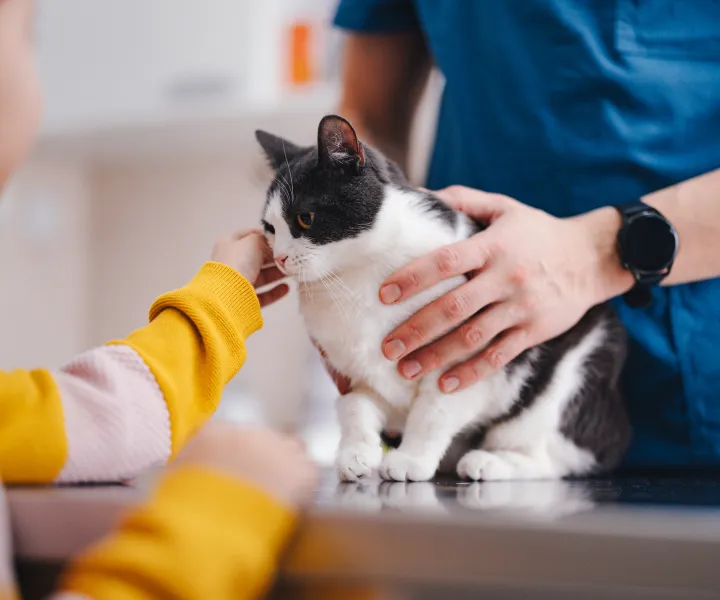
What Happens During a Typical Vet Visit for Cats
A routine visit usually includes a physical exam where your veterinarian checks your cat’s eyes, ears, teeth, skin, heart, lungs, joints, and overall body condition. Questions about eating habits, litter box use, behavior, and activity levels help round out the picture.
Because cats are skilled at hiding discomfort, these exams help establish what’s normal so small changes are easier to spot later.
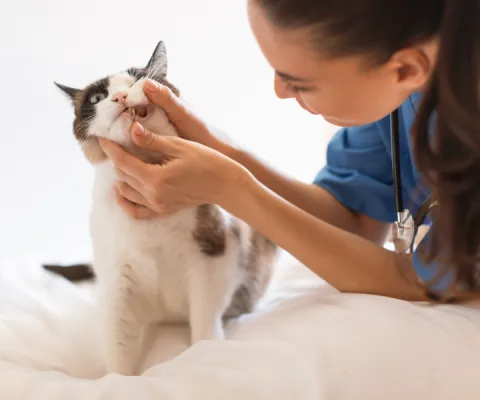
Why Regular Vet Visits Matter for Cats
Cats often show subtle signs of illness that can go unnoticed for a while. Regular wellness exams give your veterinarian data over time, so trends can be detected before they become concerns.
This is especially true for kittens going through growth changes or older cats whose health may change more gradually.
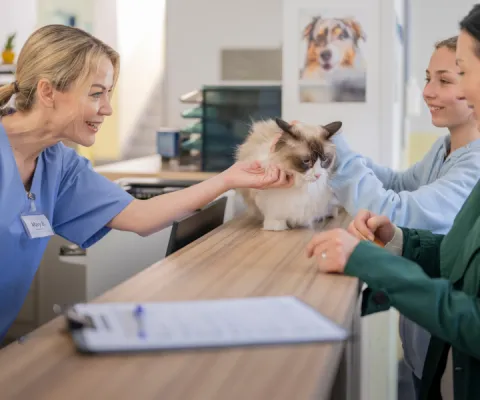
Common Topics Your Vet May Discuss
Beyond the physical exam, your veterinarian may talk through preventive care topics that support your cat’s overall wellbeing. These can include:
- Vaccination schedules
- Parasite prevention, including protection against fleas, ticks, and heartworm
- Nutrition and weight management
- Dental health
- Behavior and stress management
Each discussion is tailored to how your cat lives, not generic checkboxes.
After the Visit
After your appointment, your veterinarian might recommend follow-up care, check-ins, or adjustments to protective recommendations. This is also a good time to ask any questions you may have about what to watch for at home.
Vet visits work best when they feel like a conversation, not a checklist.

Frequently Asked Questions
How often should cats see the veterinarian?
How often should cats see the veterinarian?
Many veterinarians recommend at least one wellness visit per year, with more frequent exams for kittens or senior cats.
Do indoor cats really need regular vet visits?
Do indoor cats really need regular vet visits?
Yes. Indoor cats can still experience health changes that are easier to address when caught early.
Why does my cat act differently at the vet?
Why does my cat act differently at the vet?
New environments and unfamiliar smells can be stressful. Familiar routines and gentle handling help reduce anxiety.
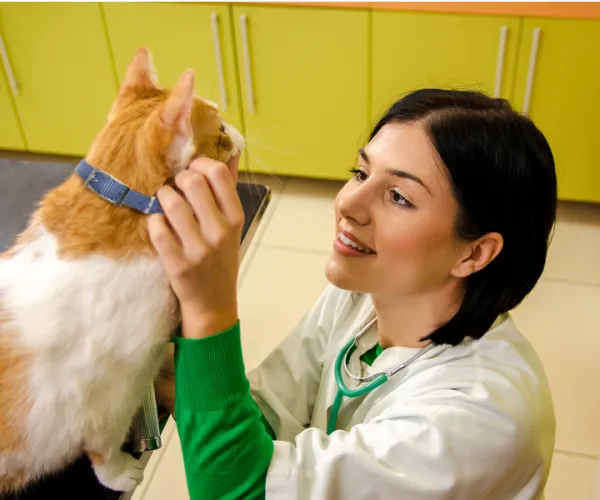
Cat vaccinations
An overview of understanding common vaccines for your cat and how they help support your cat’s long-term well-being.
Vaccinating a cat is one of the most effective ways help your cat live a long and healthy life. However, it can also be a source of confusion for many owners.
Part of this confusion comes from the assumption that a cat living strictly indoors is automatically safe from infectious disease. Viruses, however, are resilient. Some can enter a home on shoes or clothing. Even the most content homebody may occasionally slip out an open door.
When you understand which vaccines a cat needs and why, the annual vet visit shifts from a stressful obligation to a calm, practical part of a wellness routine.
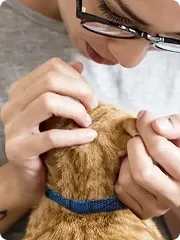
Can My Cat Get Fleas?
Cats are just as susceptible to flea infestations as dogs, even indoor cats. It’s important to recognize the risks of fleas and understand what can be done to protect your cat. Keep reading to learn how to spot fleas on your cat and learn how a monthly protection product like NexGard® COMBO (esafoxolaner, eprinomectin, and praziquantel topical solution) can help eliminate the need to deal with fleas.
How do Cats Get Worms?
Many pet owners are aware that cats can get parasitic worms, but they may not know what kinds of worms pose a problem for cats.
Important Safety Information
NexGard® COMBO (esafoxolaner, eprinomectin, and praziquantel topical solution) is for topical use only in cats. Safe for use in cats and kittens 8 weeks of age or older, weighing 1.8 pounds or more. Use with caution in cats with a history of seizures or neurologic disorders. The most frequently reported adverse reactions include vomiting, application site reactions, lethargy, and anorexia. If ingested, hypersalivation may occur. Avoid direct contact with application site until visibly dry. For more information, click here for full prescribing information.