
Helping Keep Your Dog Protected
Vaccinating your dog is one of the most effective ways to help them live a long, healthy life. While it is easy to assume that a dog who stays close to home is safe from disease, viruses can survive in soil, on sidewalks, or be carried by wildlife into your yard.
When you understand which vaccines your dog needs and why, the annual vet visit becomes a calm, practical part of your dog's wellness routine.
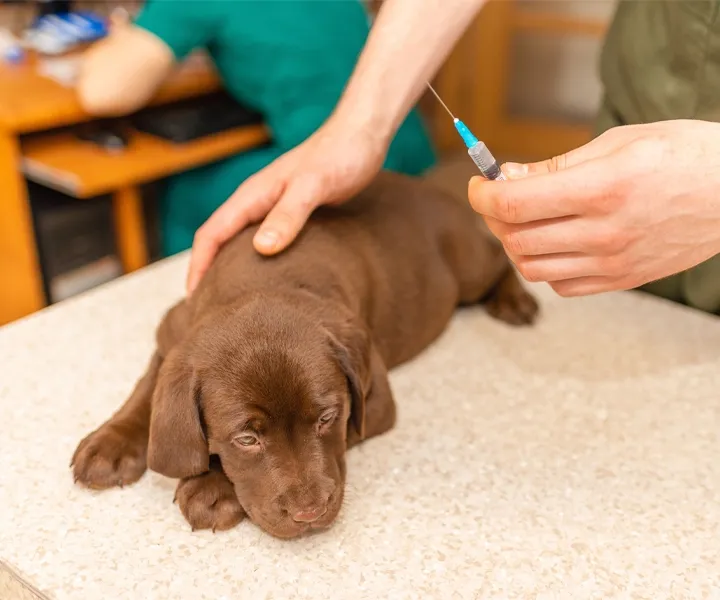
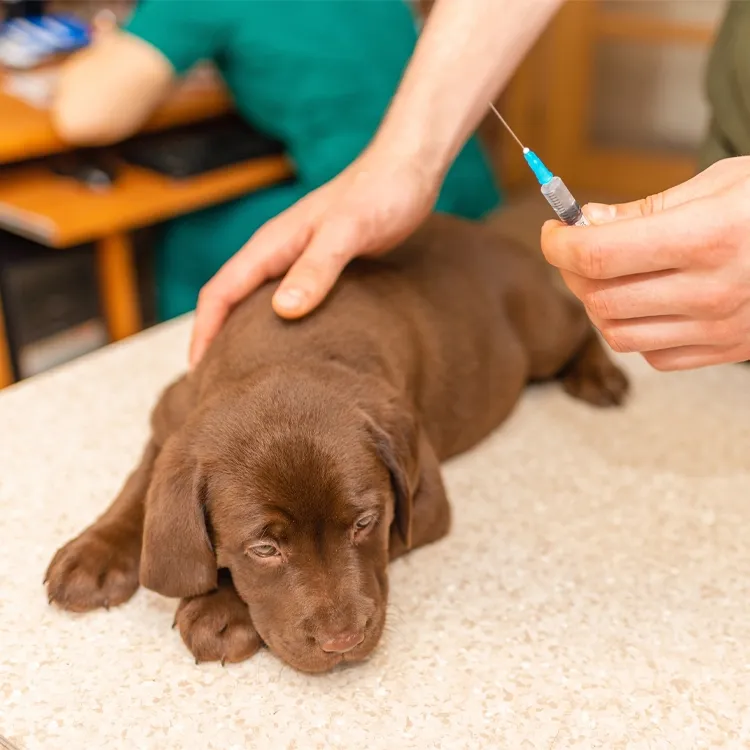
Why Do Dogs Need Vaccines?
Vaccines work by preparing your dog’s immune system to fight off specific diseases. They contain antigens that look like the disease-causing organism to the immune system but do not cause illness.
If your dog is exposed to the real disease later, their immune system recognizes it and can fight it off effectively. This protection is vital because many canine diseases, such as Parvovirus or Distemper, can be fatal or difficult to treat once contracted.

What Is the Difference Between Core and Lifestyle (Non-Core) Vaccines?
Veterinarians use guidelines from the American Animal Hospital Association (AAHA) to help determine which vaccines to administer. They divide vaccines into two categories:
- Core Vaccines: These are recommended for all dogs, regardless of lifestyle. They help protect against diseases that are fatal, highly contagious, or dangerous to humans.
- Lifestyle (or Non-Core) Vaccines: These are recommended based on your dog’s specific risk factors, such as going to dog parks, boarding, or living in areas with ticks.
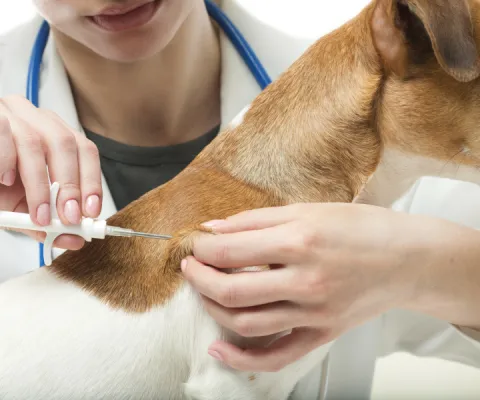
What Are the Core Vaccines for Dogs?
There are three primary immunizations that nearly every dog should receive:
-
Rabies
This is a public health requirement. Rabies is 100% fatal and can spread to humans. Because of this, it is required by law in most states. Even dogs who rarely go outside need this protection.
-
DAP +/- P (Distemper, Adenovirus, Parvovirus +/- Parainfluenza)
This single vaccine protects against four distinct diseases:
- Canine Distemper: A severe virus that attacks the brain and lungs.
- Adenovirus: A cause of infectious hepatitis.
- Parvovirus: A highly contagious, often deadly virus that attacks the intestines.
- Parainfluenza: A respiratory virus.
-
Leptospirosis
AAHA recommends the leptospirosis vaccine for all dogs. Leptospirosis is a bacteria spread by the urine of wildlife like rats and squirrels. It thrives in soil and puddles and can cause kidney failure.
What Are the Lifestyle (Non-Core) Vaccines?
Your veterinarian may recommend additional protection depending on your dog’s lifestyle.
- Bordetella: Bordetella is a contagious bacterium that can cause Canine Infectious Respiratory Disease Disease complex (CIRDC), previously known as "Kennel Cough". CIRDC can cause a harsh cough and progress to pneumonia if severe.
- Lyme Disease: If you live in an area with ticks, this vaccine is essential. It helps prevent the transmission of the bacteria that causes joint pain and kidney issues.
- Canine Influenza: Dog flu is a respiratory infection that spreads rapidly in social settings like dog parks and daycares.
When Should Dogs Be Vaccinated?
Vaccination schedules depend on age and history, but a typical timeline looks like this:
- Puppies (6–16 weeks): Puppies need a series of vaccinations every 3–4 weeks. This builds immunity as the temporary protection from their mother fades. This is also the perfect time to start consistent protection against heartworm disease, fleas, and ticks.
- Adults: After the initial puppy series and a one-year booster, many adult dogs can move to a schedule of every 1-3 years, depending on your veterinarian’s recommendation and the vaccine label. However, some vaccines such as leptospirosis require an annual booster to remain effective.

Are Dog Vaccines Safe?
Serious reactions are rare. If your dog has a history of sensitivity, talk to your veterinarian.
Frequently Asked Questions
Does my senior dog still need vaccines?
Does my senior dog still need vaccines?
Yes. While some vaccines might last longer in older dogs, their immune systems also get weaker with age. This makes them more vulnerable to diseases like Leptospirosis and Rabies. Never stop vaccinating without a veterinarian's advice.
How much do dog vaccinations cost?
How much do dog vaccinations cost?
Costs vary by clinic. However, vaccination is significantly cheaper than treating a serious illness. Treating a case of Parvovirus can cost thousands of dollars in emergency care.
Can I vaccinate my pregnant dog?
Can I vaccinate my pregnant dog?
Inactivated vaccines are generally considered safer than modified live vaccines for pregnant dogs. Some vaccines can potentially harm the developing puppies. Ideally, female dogs should be fully vaccinated before becoming pregnant to pass the best immunity to their puppies. Always consult your veterinarian if you wish to breed your dog and discuss vaccination options with them.
What if I miss a scheduled booster? (Dog version)
What if I miss a scheduled booster?
If your dog is overdue, book an appointment as soon as possible. If your dog is overdue for a vaccine, your veterinarian might recommend a booster series to help ensure their immunity is restored effectively.

Your dog’s vet visit
A visit to the vet can spark thoughts and feelings of anxiety for both you and your dog. You may be asking yourself, "Is everything okay? Did I miss something? Will my dog behave?"
A little preparation and knowing what to expect when your dog visits the vet can greatly reduce or eliminate this anxiety for both you and your dog.
Vet visits are not about finding fault, they’re about getting oriented. A vet visit is where your veterinarian learns who your dog is, how they live, and what kind of care will help them stay healthy over time.
When you approach it that way, the visit becomes calmer, clearer, and surprisingly reassuring.

Lyme infection in dogs
Infection in dogs rarely starts with obvious injury, sudden change in behavior, or a clear signal that something went wrong. In many cases, exposure happens during ordinary parts of a dog’s day: a walk around the block, playtime in the yard, or a quick stop at the park. When symptoms develop, they are often mild and nonspecific, including intermittent lameness, joint stiffness, or reduced energy.
That ordinariness is what makes Lyme infection easy to underestimate. When you understand how Lyme infection spreads and why signs can appear later, prevention becomes a calm, practical routine of everyday care.

Protecting Your Puppy From Fleas and Ticks
Congratulations on your new puppy! Along with its soft bed, proper nutrition, and plenty of chew toys, you should prioritize flea and tick protection such as NexGard® (afoxolaner) or NexGard® PLUS (afoxolaner, moxidectin, and pyrantel chewable tablets) for additional protection against heartworm disease, hookworms and roundworms.
Important Safety Information
NexGard® PLUS (afoxolaner, moxidectin, and pyrantel chewable tablets) is safe for puppies at 8 weeks, weighing 4 pounds or more. The most frequently reported adverse reactions include diarrhea, vomiting, lethargy, and itching. Use with caution in dogs with a history of seizures or neurologic disorders. Dogs should be tested for existing heartworm infection prior to starting a preventive. For more information, click here for full prescribing information.