
Protecting Your Puppy From Fleas and Ticks
Congratulations on your new puppy! Along with its soft bed, proper nutrition, and plenty of chew toys, you should prioritize flea and tick protection such as NexGard® (afoxolaner) or NexGard® PLUS (afoxolaner, moxidectin, and pyrantel chewable tablets) for additional protection against heartworm disease, hookworms and roundworms.
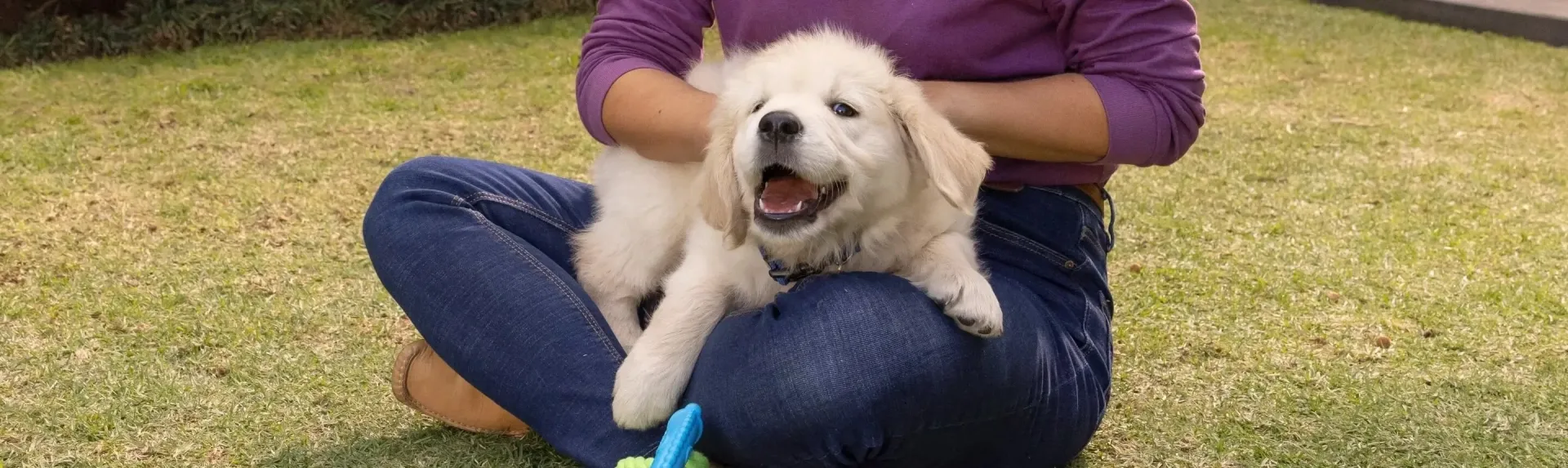
NexGard PLUS chews and NexGard chews are safe for puppies as young as 8 weeks of age, weighing 4 pounds or more. Below you will find information about the importance of year-round protection as well as the health risks fleas and ticks pose to your puppy.
Signs of Fleas
Fleas on Puppies
Fleas can cause a wide variety of issues for your pets including intense itching and scratching that can break the skin and invite infection. Anemia is also possible due to continuous flea bites and feeding.
If possible, have your new puppy checked for fleas before you bring them home. Otherwise, look for these signs of flea infestation:
Itching
Scratching
Chewing
Some puppies may not show any of these signs, which can make an infestation on a new pet hard to spot. Pet owners can check their puppy for flea dirt (flea poop) which looks like coarse ground pepper, with a flea comb. When smeared on a damp paper towel, flea dirt will turn red.1
What Do I Do if My Puppy Has Fleas?
Treating your puppy immediately can reduce the risk of flea-related issues. However, due to your puppy’s age the steps you take to eliminate or prevent flea infestations may be different than with an older dog. You should discuss flea treatment as well as ongoing preventive care with your vet.
Bathing with a specially formulated puppy-safe shampoo.
Talk to your vet about prescription products for treatment and control of flea infestations.
Wash your pet’s bedding using hot water and then dry at the highest setting.
For more tips, check out Flea Questions for Dogs.

Signs of Ticks
Ticks on Puppies
It’s important to thoroughly search your dog for ticks on a regular basis, especially after they’ve spent time outside. Ticks can be anywhere on the body, but they prefer warm, dark, and inconspicuous hiding places. Run your fingers through your puppy’s fur to feel for small bumps on the skin. You may also notice small areas where the hair is displaced or pushed up, which can indicate a tick underneath the hair in that spot. Watch for areas where they have been scratching and biting, especially between the toes, inside the ears, under the legs, and around the groin area.2
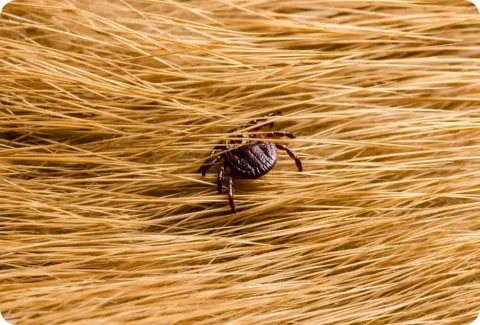
When a tick first attaches, it will look like a tiny round bug with 8 legs. After feeding for a few days, it will appear bloated and bluish-gray, and eventually detach. If the tick has already detached, you may notice a small bump or inflamed area at the site of the bite.
How Do I Get Rid of Ticks on My Puppy?
The CDC recommends using fine-tipped tweezers to grasp the tick as close to the skin as possible, then pulling “upward with steady, even pressure” without twisting or jerking. After removing the tick, clean the bite area and your hands with rubbing alcohol or soap and water.3 Your vet can also provide advice for removing ticks and recommend a reliable tick control product.

When Can I Start Flea and Tick Products on a Puppy?
Not all flea and tick products are appropriate for puppies. Your puppy’s age and weight are important factors to consider when choosing the right treatment. For the best advice, consult with your vet on the right course of action to protect your puppy. NexGard PLUS chews and NexGard chews are safe for puppies at 8 weeks, weighing 4 pounds or more.
Fleas. CAPC Pets and Parasites. Accessed April 6, 2025. https://petsandparasites.org/dog-owners/fleas
How to check your pets for ticks. Centers for Disease Control and Prevention. Accessed April 6, 2025. https://www.cdc.gov/healthy-pets/media/pdfs/publications/check-pets-for-ticks-508.pdf
How to Remove a Tick From Your Dog. American Kennel Club. Accessed April 6 2025. https://www.akc.org/expert-advice/health/how-to-remove-tick-from-dog/
Important Safety Information
NexGard® PLUS (afoxolaner, moxidectin, and pyrantel chewable tablets) is safe for puppies at 8 weeks, weighing 4 pounds or more. The most frequently reported adverse reactions include diarrhea, vomiting, lethargy, and itching. Use with caution in dogs with a history of seizures or neurologic disorders. Dogs should be tested for existing heartworm infection prior to starting a preventive. For more information, click here for full prescribing information.
NexGard® COMBO (esafoxolaner, eprinomectin, and praziquantel topical solution) is for topical use only in cats. Safe for use in cats and kittens 8 weeks of age or older, weighing 1.8 pounds or more. Use with caution in cats with a history of seizures or neurologic disorders. The most frequently reported adverse reactions include vomiting, application site reactions, lethargy, and anorexia. If ingested, hypersalivation may occur. Avoid direct contact with application site until visibly dry. For more information, click here for full prescribing information.
NexGard® (afoxolaner) is for use in dogs only. Safe for use in puppies 8 weeks of age or older, weighing 4 pounds or more. The most frequently reported adverse reactions include vomiting, itching, lethargy, diarrhea, and lack of appetite. The safe use of NexGard in pregnant, breeding, or lactating dogs has not been evaluated. Use with caution in dogs with a history of seizures or neurologic disorders. For more information, click here for full prescribing information.