
Understanding Roundworms and Hookworms in Puppies
Left unprotected, dogs of any age can become infected with worms, but they are most vulnerable as puppies. Roundworms are extremely common in young dogs, infecting over 90% of puppies.1
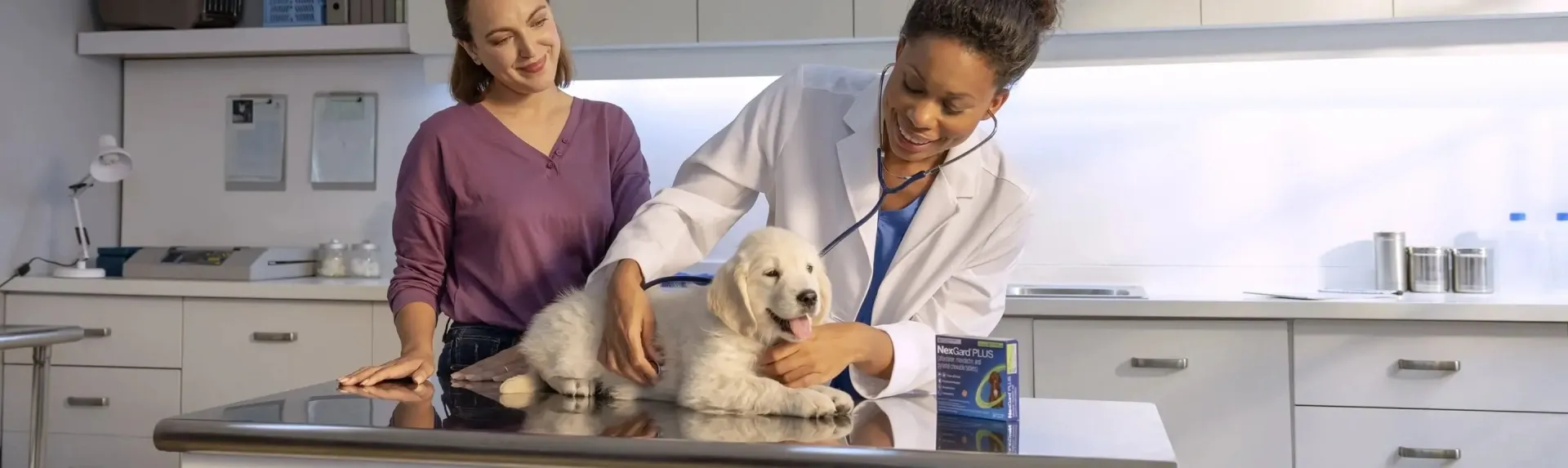
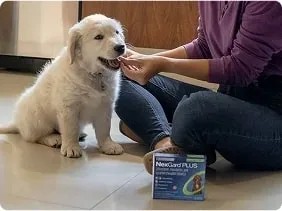
Read on to learn more about the types of worms and the risks they pose to your puppy, the signs to look for, and how to protect your puppy, including the treatment and control of roundworms and hookworms with products like NexGard® PLUS (afoxolaner, moxidectin, and pyrantel chewable tablets), which is safe for puppies 8 weeks or older weighing 4 lbs or more.
What Worms Can Infect Puppies?
Intestinal worms such as roundworms and hookworms are parasites that live and grow in your dog’s intestines and feed off blood or other nutrients. Intestinal worms can become a serious problem for puppies. Hookworms can cause anemia, and roundworms can lead to poor growth and development.
Roundworms
Roundworms follow a distinct life cycle, beginning as roundworm eggs. Puppies can become infected both before birth, through prenatal transmission from an infected mother, and after birth, often through contact with contaminated environments. Signs of roundworm infections in puppies include coughing, vomiting, diarrhea, low energy, or a potbellied appearance. Effective treatment options, such as NexGard® PLUS chews, are available, and preventive measures like proper hygiene practices are essential to protect puppies from these parasites.
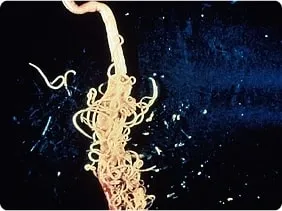
Hookworms
Hookworms have a life cycle involving eggs shed in feces, followed by larval development in the environment. Puppies can contract hookworms through ingestion. Larvae can also enter the body through the skin, often via contaminated soil. Signs of hookworm infections in puppies include anemia, bloody diarrhea, weight loss, and weakness. Timely diagnosis and treatment are crucial, as severe infections can be life-threatening. Prevention involves minimizing exposure to contaminated environments.
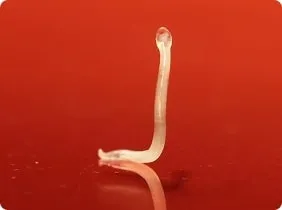
What Are the Signs of Intestinal Worms in Puppies?
Worms are a common problem in dogs, and even though it might not be a pleasant thought, it’s essential to spot potential clinical signs of worms in your puppy so you can start treatment quickly.
-
Image

Coughing
Coughing is a common sign of worm infections in dogs. Identifying the type of cough and its persistence is crucial for early detection and treatment.
-
Image

Vomiting
Vomiting accompanied by visible worms can indicate a roundworm infection. Frequent vomiting should prompt immediate veterinary attention to rule out other health issues.
-
Image

Diarrhea
Worms can lead to soft stools and diarrhea in dogs, potentially causing dehydration. Bloody diarrhea, especially in hookworm-infected dogs, requires urgent veterinary care to prevent severe complications.
-
Image

Low Energy
Dogs infected with worms may become lethargic and less active due to blood and nutrient loss. Hookworms, in particular, can be life-threatening if not treated promptly in puppies and adult dogs.
-
Image

Potbellied Appearance
A bloated or potbellied appearance, common in puppies, can indicate roundworm infection.
-
Image

Change in Appetite
Worm-infected dogs may experience a sudden loss or increase in appetite. Even if appetite increases, weight loss can occur, necessitating a veterinarian’s evaluation.
-
Image

Dull Coat
A dull, dry coat, hair loss, or rashes can indicate worm-related problems. Besides worms, various parasites may cause hair loss, so veterinary consultation is essential.
-
Image

Itching and Skin Irritations
Skin irritations, rashes, and increased itching can result from severe worm infections. These symptoms may lead to behaviors like biting or licking to relieve itching.
Protecting Your Puppy From Roundworms and Hookworms
Early Detection and Treatment
Veterinary care plays a pivotal role in diagnosing and treating intestinal parasitic infections through fecal exams and tailored treatment plans. Early diagnosis is crucial to prevent complications and transmission to other animals. Follow-up as well as treatment and good hygiene can reduce infection risk. Monthly administration of NexGard® PLUS can help protect your dog from roundworms and hookworms, in addition to heartworm disease, fleas and ticks.
NexGard® PLUS chews are safe for puppies 8 weeks or older weighing 4 lbs or more.

-
Image

Treatment Measures for Intestinal Worms in Puppies
Administer treatment medications as per a veterinarian’s recommendation. Minimize exposure to contaminated environments where other dogs have gone to the bathroom.
-
Image

Administer Monthly Protection
Consult with your vet to establish a customized treatment plan for your puppy. Follow the prescribed schedule based on your puppy’s age and risk factors.
-
Image

Regular Veterinary Visits
Schedule routine checkups with your veterinarian to monitor your puppy’s health. Include regular fecal examinations to detect and address worm infections early.
-
Image

Maintain a Clean Living Environment
Clean up dog feces promptly and dispose of them properly to prevent environmental contamination. Regularly disinfect living spaces and pet items, like bedding and toys.
-
Image

Responsible Pet Ownership
Practice responsible pet ownership by providing a nutritious diet and clean drinking water. Ensure proper hygiene by grooming and bathing your puppy regularly.
Key Takeaways About Worms in Puppies
Protecting puppies from worms is vital for their health and overall well-being.
Regular vet visits, clean living spaces, and responsible ownership are key elements in controlling worm infections in puppies.
NexGard® PLUS chews treat and control roundworms and hookworms and are safe for puppies 8 weeks or older weighing 4 lbs or more.
Fecal examinations play a crucial role in early detection and treatment.
- Schantz PM. Zoonotic ascarids and hookworms: the role for veterinarians in preventing human disease. In: Emerging Vector-Borne and Zoonotic Diseases. Compend Contin Educ Pract Vet . 2002;24(suppl 1);47-52.
Important Safety Information
NexGard® PLUS (afoxolaner, moxidectin, and pyrantel chewable tablets) is safe for puppies at 8 weeks, weighing 4 pounds or more. The most frequently reported adverse reactions include diarrhea, vomiting, lethargy, and itching. Use with caution in dogs with a history of seizures or neurologic disorders. Dogs should be tested for existing heartworm infection prior to starting a preventive. For more information, click here for full prescribing information.
NexGard® COMBO (esafoxolaner, eprinomectin, and praziquantel topical solution) is for topical use only in cats. Safe for use in cats and kittens 8 weeks of age or older, weighing 1.8 pounds or more. Use with caution in cats with a history of seizures or neurologic disorders. The most frequently reported adverse reactions include vomiting, application site reactions, lethargy, and anorexia. If ingested, hypersalivation may occur. Avoid direct contact with application site until visibly dry. For more information, click here for full prescribing information.
NexGard® (afoxolaner) is for use in dogs only. Safe for use in puppies 8 weeks of age or older, weighing 4 pounds or more. The most frequently reported adverse reactions include vomiting, itching, lethargy, diarrhea, and lack of appetite. The safe use of NexGard in pregnant, breeding, or lactating dogs has not been evaluated. Use with caution in dogs with a history of seizures or neurologic disorders. For more information, click here for full prescribing information.