
Understanding Roundworms in Dogs
Roundworms are a common parasitic worm found in dogs. Because it is hard to eliminate roundworm eggs in the environment, they can persist for a long time. Without treatment, infection can be very difficult to control.
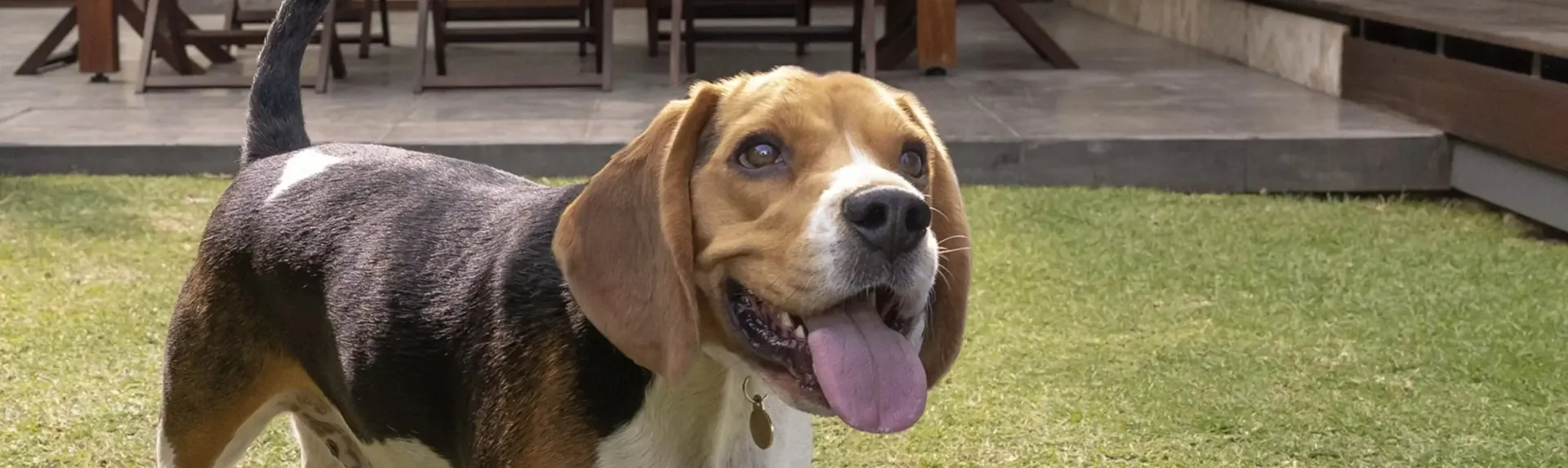
Adult roundworms live in the dog’s intestines and feed off partially digested food.1 Here, you will learn what roundworms are, how your dog can get them, signs to watch out for, and how to treat and control roundworm infections with products like NexGard® PLUS (afoxolaner, moxidectin, and pyrantel chewable tablets).
What Are Roundworms?
Roundworms are intestinal parasites, scientifically known as ascarids. The adult roundworms live in the small intestine and are white and spaghetti-like in appearance.
There are two species of roundworms that often infect dogs:
- Toxocara canis —dogs only
- Toxascaris leonina —dogs and cats
Disease in dogs caused by infection with T. canis is most severe in young pups.1 More than 90% of puppies under 3 months of age are infected with roundworms.2 NexGard PLUS chews are labeled for dogs only and are safe for puppies 8 weeks or older, weighing 4 lbs or more.

How Do Dogs Get Roundworms?
Here are a few different ways your pet can pick up roundworms:
Ingesting them: Roundworm eggs can be found in the environment where another infected canine has gone to the bathroom. Your dog may simply be sniffing around some grass or dirt when they ingest the eggs. Eggs from the environment can also get stuck in fur, so a dog may become infected when grooming themselves.
Hunting: If your dog hunts small prey, such as birds and rodents, they are at risk of becoming infected with roundworms.
From their mother: While they can become infected with roundworms in the same way as adult dogs, puppies are more likely to get roundworms from their mother. This can happen when they are in the womb. Many puppies are born infected with roundworms and can also get roundworms from their mother's milk. Roundworms are extremely common in young dogs, infecting the vast majority of puppies.1
Signs of Roundworms in Dogs
Potbellied appearance
Dull coat
Coughing
Stunted growth
Vomiting
Diarrhea
Roundworm eggs are very resilient and can survive in the environment for years and can be a source of constant reinfection. Consult with your veterinarian for information about deworming your puppy prior to 8 weeks of age.

Roundworm Treatment and Control for Dogs
Why You Should Protect Against Roundworms in Dogs
Roundworms can cause diseases that range from mild to potentially fatal, particularly in young, malnourished pups. Luckily, treating and protecting your dog from roundworms can be straightforward.

Roundworms and Puppies
It’s important to note that roundworm infections can be particularly problematic in puppies, as they are more susceptible to the migration of larvae and can suffer from severe clinical signs including diarrhea, vomiting, weight loss, dull coat, and a potbellied appearance.
Monthly treatment is recommended for all dogs. Puppies can be placed on a product such as NexGard PLUS chews at 8 weeks or older, weighing 4 lbs or more.
Roundworm Treatment for Dogs
When choosing a treatment for dogs, make sure to select a product appropriate for the age and weight of your pet. Consult with your vet if you have any questions about how to treat roundworm in dogs.

Diagnosis and Treatment of Roundworms
Veterinarians can diagnose roundworm infections in your dog by performing fecal examination, in addition to clinical evaluation. Veterinarians can provide tailored treatment plans, recommend appropriate medications, and monitor the dog’s progress during and after treatment. Early diagnosis and treatment are essential to prevent complications and reduce the risk of transmission to other animals.
Preventive Measures for Dog Owners
Routine checkups by your veterinarian are crucial, especially for puppies and dogs at higher risk of roundworm exposure. Dog owners can protect their pets by practicing good hygiene, such as cleaning up dog feces promptly and disposing of them properly. You should also prevent access to contaminated environments, like areas with infected wildlife or contaminated soil, which can reduce the risk of exposure.
Remember to provide clean drinking water and ensure proper nutrition to help maintain your dog’s overall health and immune system.
Key Takeaways About Roundworms in Dogs
Roundworms can pose health risks to dogs and puppies. Recognizing the signs of roundworms as well as implementing a treatment program are essential. The use of monthly products in dogs and special attention to puppies are recommended for reducing reinfection.
In conclusion, regular veterinary care as well as the consistent use of products such as NexGard PLUS chews are essential to minimize the risks associated with roundworm infections. Acting now is the key to a healthier and happier life for your pets.

- Ascarid in Dogs. Companion Animal Parasite Council. Accessed April 6, 2025. https://capcvet.org/guidelines/ascarid
- Schantz PM. Zoonotic ascarids and hookworms: the role for veterinarians in preventing human disease. In: Emerging Vector-Borne and Zoonotic Diseases. Compend Contin Educ Pract Vet . 2002;24(suppl 1);47-52.
Important Safety Information
NexGard® PLUS (afoxolaner, moxidectin, and pyrantel chewable tablets) is safe for puppies at 8 weeks, weighing 4 pounds or more. The most frequently reported adverse reactions include diarrhea, vomiting, lethargy, and itching. Use with caution in dogs with a history of seizures or neurologic disorders. Dogs should be tested for existing heartworm infection prior to starting a preventive. For more information, click here for full prescribing information.
NexGard® COMBO (esafoxolaner, eprinomectin, and praziquantel topical solution) is for topical use only in cats. Safe for use in cats and kittens 8 weeks of age or older, weighing 1.8 pounds or more. Use with caution in cats with a history of seizures or neurologic disorders. The most frequently reported adverse reactions include vomiting, application site reactions, lethargy, and anorexia. If ingested, hypersalivation may occur. Avoid direct contact with application site until visibly dry. For more information, click here for full prescribing information.
NexGard® (afoxolaner) is for use in dogs only. Safe for use in puppies 8 weeks of age or older, weighing 4 pounds or more. The most frequently reported adverse reactions include vomiting, itching, lethargy, diarrhea, and lack of appetite. The safe use of NexGard in pregnant, breeding, or lactating dogs has not been evaluated. Use with caution in dogs with a history of seizures or neurologic disorders. For more information, click here for full prescribing information.