
Heartworm Disease Basics You Should Know
Heartworm disease is a serious risk to both dogs and cats. The following information provides the basics about heartworm disease, how you can help prevent this dangerous disease from harming your pets, and products to help protect your pet including NexGard® PLUS (afoxolaner, moxidectin, and pyrantel chewable tablets) for dogs and NexGard® COMBO (esafoxolaner, eprinomectin, and praziquantel topical solution) for cats.


What Is Heartworm Disease?
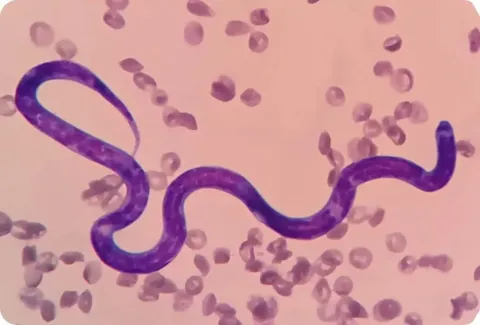
Heartworm disease is a serious and oftentimes fatal condition that affects dogs, cats, and other animals. It primarily affects the pulmonary vessels, heart and lungs of infected animals. The worms grow and reproduce within the heart and blood vessels, leading to severe damage and potentially heart failure if left untreated.
Once inside your pet’s body, the heartworm larvae migrate through the tissues and eventually reach the pulmonary vessels. Adult heartworms can grow up to 12 inches in length and can live for several years. Heartworms feed on blood, but their presence damages the pulmonary vessels and eventually impacts the function of the heart and lungs. The presence of heartworms can lead to severe health issues, including death if left untreated.
How Is Heartworm Disease Spread?
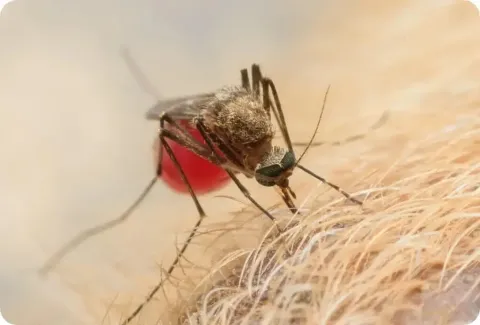
Heartworm disease is spread through the bite of an infected mosquito. When a mosquito bites an infected animal, it takes in microfilariae that develop into heartworm larvae. When the infected mosquito then bites another animal, it transmits the infective larvae into the new host, where they continue to develop into adult heartworms.
Preventing Heartworm Disease
Fortunately, heartworm disease is preventable with the use of monthly preventive medications including NexGard PLUS chews for dogs and NexGard COMBO topical solution for cats. These preventatives work by killing the heartworm larvae or immature larvae as they migrate through the tissues preventing their development into adult worms, thus preventing heartworm disease. It is important to administer preventives consistently and on time, as missing doses or delaying administration can leave the animal vulnerable to disease.
Treating Heartworm Disease in Dogs and Cats
Heartworm disease in dogs can be treated, but the treatment is complex, expensive, and carries risks.1,2 Treatment involves a series of injections with medication that kills the adult worms. Additionally, a period of strict rest and limited physical activity is necessary during treatment to minimize complications. The treatment process can take several months, and close veterinary supervision is required. Prevention is always preferred over treatment due to the potential risks and complications associated with heartworm disease treatment.
Heartworm disease is different in cats, as there is no approved treatment, and prevention is the only available method of control. Cats with adult heartworms typically have just 1 to 3 worms. Many cats affected by heartworms have no adult worms. While this means heartworm disease often goes undiagnosed in cats, it’s important to understand that even immature worms can cause real damage in the form of a condition known as heartworm-associated respiratory disease (HARD)3 and heartworm disease in cats can also lead to sudden death without preexisting clinical signs.
Key Takeaways About Heartworm Disease
Heartworm disease is serious and could be fatal if left untreated. All it takes is one bite from an infected mosquito. Make sure to test your dog annually.
Heartworm disease can be treated in dogs, but the process is complex and can be expensive.1,2 Unfortunately, cats cannot be treated for heartworm disease. The best course of action is prevention and a conversation with your veterinarian.
Learn more about products that can prevent heartworm disease.
FAQs About Heartworm Disease
Is there an effective natural prevention for heartworm disease?
Is there an effective natural prevention for heartworm disease?
Because heartworm disease is passed on from the bite of an infected mosquito, there is no natural prevention for your pet. Talk to your veterinarian about the different heartworm disease preventive medications available for your pet.
Does my pet need a prescription for heartworm disease preventive medication? If so, why?
Does my pet need a prescription for heartworm disease preventive medication? If so, why?
Yes. The US Food and Drug Administration (FDA) labeling on heartworm disease preventives states that the medication is to be used by or on the order of a licensed veterinarian. This means heartworm disease preventives must be purchased from your veterinarian or with a prescription through a pet pharmacy. Prior to prescribing a heartworm disease preventive, your veterinarian will perform a heartworm test to make sure your pet doesn’t already have adult heartworms, as giving preventives can lead to rare but possibly severe reactions that could be harmful or even fatal when used in heartworm positive animals. If the heartworm testing is negative, heartworm disease preventive medication is prescribed. Vets do not typically test puppies until 6 months of age or older. Testing of cats is more complex as they tend to harbor very few adult heartworms, often leading to false positive test results. Regardless, both puppies and kittens should be tested prior to starting a heartworm disease preventive product.
NexGard PLUS is safe for puppies at 8 weeks, weighing 4 pounds or more, and NexGard COMBO is safe for use in cats and kittens 8 weeks of age or older, weighing 1.8 pounds or more.
- Weigh the Costs Infographic. American Heartworm Society. Accessed June 4, 2025. https://d3ft8sckhnqim2.cloudfront.net/images/infographics/0010-weigh-the-costs.jpg
- American Heartworm Society. Heartworm Prevention for Dogs. Accessed June 4, 2025. https://www.heartwormsociety.org/pet-owner-resources/heartworm-prevention-for-dogs
- American Heartworm Society. Heartworm in Cats. Accessed June 4, 2025. https://www.heartwormsociety.org/heartworms-in-cats
Important Safety Information
NexGard® PLUS (afoxolaner, moxidectin, and pyrantel chewable tablets) is safe for puppies at 8 weeks, weighing 4 pounds or more. The most frequently reported adverse reactions include diarrhea, vomiting, lethargy, and itching. Use with caution in dogs with a history of seizures or neurologic disorders. Dogs should be tested for existing heartworm infection prior to starting a preventive. For more information, click here for full prescribing information.
NexGard® COMBO (esafoxolaner, eprinomectin, and praziquantel topical solution) is for topical use only in cats. Safe for use in cats and kittens 8 weeks of age or older, weighing 1.8 pounds or more. Use with caution in cats with a history of seizures or neurologic disorders. The most frequently reported adverse reactions include vomiting, application site reactions, lethargy, and anorexia. If ingested, hypersalivation may occur. Avoid direct contact with application site until visibly dry. For more information, click here for full prescribing information.
NexGard® (afoxolaner) is for use in dogs only. Safe for use in puppies 8 weeks of age or older, weighing 4 pounds or more. The most frequently reported adverse reactions include vomiting, itching, lethargy, diarrhea, and lack of appetite. The safe use of NexGard in pregnant, breeding, or lactating dogs has not been evaluated. Use with caution in dogs with a history of seizures or neurologic disorders. For more information, click here for full prescribing information.