
The Power of Flea Protection
Indoors and outdoors, fleas can be on the lookout for your pet. That’s why it’s important to talk to your vet about protecting your pet year-round with monthly protection products.


What Are Fleas?
What Are Fleas?
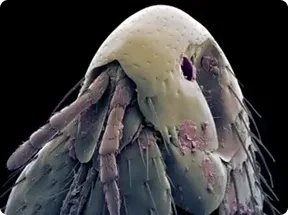
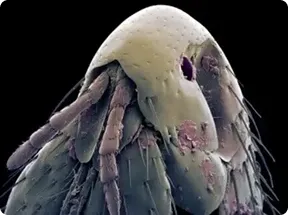
Fleas are the most common external parasite found on pets. Fleas feed on blood in order to reproduce, and flea infestations can cause itchy, painful skin conditions. Once they have infested a host, fleas begin feeding almost immediately, with female fleas starting to lay eggs just 24 hours after feeding begins.1 These eggs will fall off and land in the infested animal’s environment. The eggs eventually become adult fleas that are ready to find a new host and begin the life cycle all over again.
What Season Are Fleas Most Active?
What Season Are Fleas Most Active?
While the risk of flea infestations may be lower during the winter, they can occur at any point throughout the year, regardless of the weather. Outdoors, fleas can survive in microenvironments that maintain the right conditions (shady, moist, and humid), and they can survive indoors year-round.


What causes flea infestation?
It Only Takes a Few Fleas to Cause an Infestation
Flea families grow fast. A single female flea can lay up to 50 eggs per day, and it doesn’t take long for a few fleas to become a full-blown infestation.1 Effective flea protection will kill adult fleas before they get the chance to lay eggs, preventing an infestation.
How do I check for fleas?
Looking for Flea Dirt
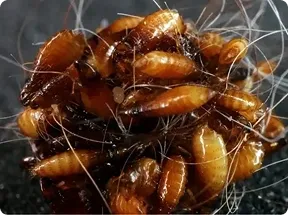
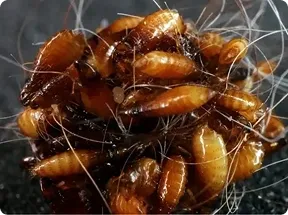
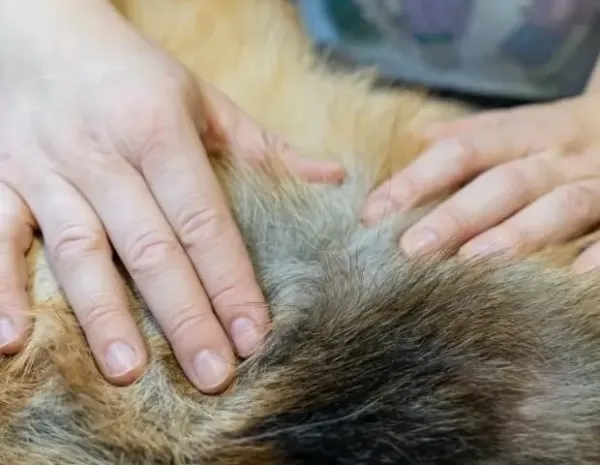
To confirm the presence of fleas, you can examine your pet’s skin for “flea dirt,” or flea feces.2 To know if what you’re seeing is flea dirt and not just actual dirt, you can perform a flea dirt test. Pick up some of the black flecks with a flea comb. When smeared on a damp paper towel, flea dirt will turn red.
How to Prevent a Flea Infestation
Flea infestations can be costly, frustrating, and time-consuming to treat. You can prevent an infestation if all the cats and dogs in your home are treated with flea protection. It means that, even if a flea finds its way to your pet, the flea will die before it has the chance to lay eggs. Ending infestations can be a long and difficult process, but preventing them can be easily done with the help of your veterinarian and NexGard® Brand Products.
What are the signs of fleas in my home?
-
Fleas on your pet's skin
Image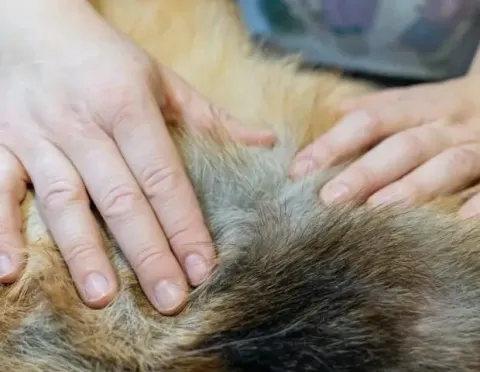
-
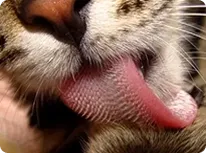
Your pet scratching, licking, grooming, or biting their skin more than usual
Image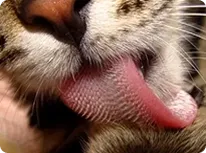
-
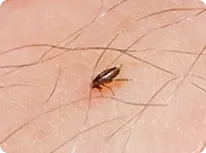
Flea bites on humans
Image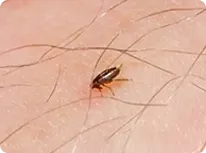
The Fleas on Your Pet Are a Fraction of the Total Population
Adult fleas, the ones that live on an infested pet, make up only about 5% of the total population. Flea eggs, larvae, and pupae make up the other 95%, and they live in an infested pet’s environment. That’s why it’s important to protect your pet from tip to tail by killing adult fleas before they can lay eggs and cause an infestation.
Fleas Can Be Found Almost Anywhere
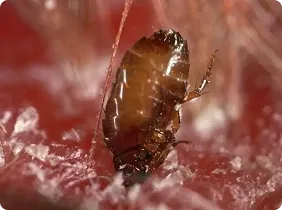
Fleas are resilient. Outdoors, they prefer areas that are shaded and sheltered, such as under or around shrubs, decks, and fence lines. Indoors, evidence of a flea infestation can be found anywhere, in carpets, pet beds, furniture, and even the cracks of your wood floors. Regular flea protection will protect your pet no matter where the two of you go together.
Understanding the Flea Life Cycle
Fleas are the most common external parasite found on dogs and cats.3 They are a threat all year long, even to animals that spend most of their time indoors. Fleas have a rapid life cycle, and flea reproduction happens quickly. One flea can quickly turn into an infestation, and the only way to stop it is by breaking the flea life cycle.
The 4 Stages of the Flea Life Cycle
Stage 1: Flea Eggs
Stage 1: Flea Eggs
Flea eggs are pearly white, shaped like an oval, and very tiny. Because they are less than half a millimeter in length, they’re very difficult to spot.
Adult female fleas begin laying eggs on their host after feeding, but the eggs will fall off and scatter throughout the environment within a few hours. One single flea can produce 40 to 50 eggs per day,3 and those eggs will hatch within 10 days, depending on environmental conditions.4


Stage 2: Flea Larvae
Stage 2: Flea Larvae
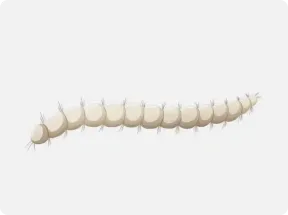
Flea eggs hatch into larvae, which are maggot-like in appearance and roughly half a centimeter long. Larvae survive by feeding on flea dirt (aka flea feces) that has fallen off the pet into the environment.4
An important thing to note about flea larvae is that they cannot survive in direct sunlight. Instead, larvae thrive in cool, shaded areas where they will be undisturbed. This includes in your carpet, underneath furniture, or along baseboards.
The speed with which larvae develop into pupae depends on their environment—namely temperature and humidity.4
Stage 3: Flea Pupae
Stage 3: Flea Pupae
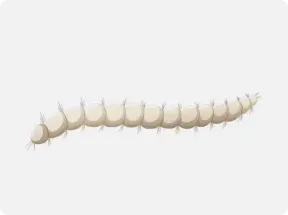
Eventually, flea larvae will turn into small cocoons known as flea pupae. These cocoons are about half a centimeter in length and are typically found in soil outdoors or in carpets or bedding indoors.
Like with most stages of the flea life cycle, the speed at which pupae develop depends on environmental factors. Adult fleas may emerge from their cocoons after 8 days or several weeks, though they can remain in the pupal stage for months.


Stage 4: Adult Fleas
Stage 4: Adult Fleas
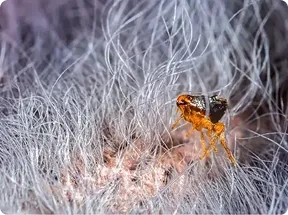
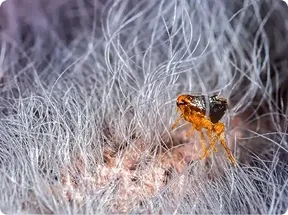
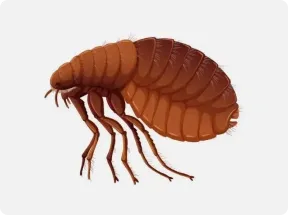
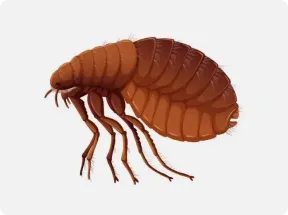
In the final stage of the flea life cycle, the adult fleas emerge. These are the bugs that you are probably familiar with. Fleas are tiny, oval-shaped insects with hard brown shells.
Adult fleas will begin feeding as soon as they land on a host, and egg production begins within 24 hours of a female taking her first blood meal. Soon she will begin laying eggs (at a rate of 50 per day), and the flea life cycle begins again.5
Eliminating Fleas
To protect your pet from fleas, it is essential that they be on a species-specific, effective flea control product year-round. Getting rid of a flea infestation doesn’t happen overnight. The process could take months.
If you’re experiencing a flea infestation, keep in mind that most of the flea population will actually be found in your pet’s environment—not on your pet itself. While your pet may be infested with adult fleas, the flea eggs, larvae, and pupae may be found in bedding, floors, and other areas of your home.
It may be necessary for you to take steps to address these developing life stages that are in the environment. Indoors, you can do this by frequently vacuuming the areas where your pet spends most of their time. Washing your pet’s bedding can help kill developing fleas in your home as well.3
Why Am I Still Seeing Fleas After Treating My Pet?
Flea treatment products stimulate the fleas’ nervous system, which may cause them to be more active before dying. You may also be seeing new fleas that have recently hatched and jumped onto your pet. Effective flea control agents will kill these fleas quickly before they can lay eggs. Finally, you could be spotting “hitchhiking” fleas that have found their way to your treated pet via other (untreated) animals.
Preventing Flea Infestations
The best way to keep your pet protected from fleas is to prevent an infestation before it starts. Treat all animals in your home with monthly, species-specific flea protection year-round.
- Overview of Life Cycle. Companion Animal Parasite Council. Accessed April 6, 2025. https://capcvet.org/guidelines/fleas
- Fleas. CAPC Pets and Parasites. Accessed May 31, 2022. https://petsandparasites.org/dog-owners/fleas
- Fleas. Pets & Parasites. Accessed June 13, 2022. https://www.petsandparasites.org/cat-owners/fleas
- How Fleas Survive. Centers for Disease Control and Prevention. Accessed June 15, 2022. https://www.cdc.gov/fleas/about/flea-lifecycles.html
- Dryden M. Biology of fleas of dogs and cats. Compend Contin Educ Vet. 1993(4):569-579.
Important Safety Information
NexGard® PLUS (afoxolaner, moxidectin, and pyrantel chewable tablets) is safe for puppies at 8 weeks, weighing 4 pounds or more. The most frequently reported adverse reactions include diarrhea, vomiting, lethargy, and itching. Use with caution in dogs with a history of seizures or neurologic disorders. Dogs should be tested for existing heartworm infection prior to starting a preventive. For more information, click here for full prescribing information.
NexGard® COMBO (esafoxolaner, eprinomectin, and praziquantel topical solution) is for topical use only in cats. Safe for use in cats and kittens 8 weeks of age or older, weighing 1.8 pounds or more. Use with caution in cats with a history of seizures or neurologic disorders. The most frequently reported adverse reactions include vomiting, application site reactions, lethargy, and anorexia. If ingested, hypersalivation may occur. Avoid direct contact with application site until visibly dry. For more information, click here for full prescribing information.
NexGard® (afoxolaner) is for use in dogs only. Safe for use in puppies 8 weeks of age or older, weighing 4 pounds or more. The most frequently reported adverse reactions include vomiting, itching, lethargy, diarrhea, and lack of appetite. The safe use of NexGard in pregnant, breeding, or lactating dogs has not been evaluated. Use with caution in dogs with a history of seizures or neurologic disorders. For more information, click here for full prescribing information.