
Tick Protection Tips for Dogs
All dogs are at risk of tick bites. A single tick bite can lead to multiple health concerns. This is why it’s so important to be proactive and do everything you can to reduce your dog’s risk of tick exposure as well as provide the monthly, year-round protection of either NexGard® PLUS (afoxolaner, moxidectin, and pyrantel chewable tablets) or NexGard® (afoxolaner).


Where Can Dogs Get Ticks?
It may not be possible to prevent your dog from encountering ticks. Ticks can be found almost anywhere, including your backyard, so even taking short walks around the neighborhood can put your dog at risk. Tall unkept grass or wooded areas can be particularly risky. Luckily, there are simple steps you can take to reduce the number of ticks in and around your home and reduce the risk of tick encounters. An easy way to protect your dog is to start monthly tick protection, such as NexGard PLUS chews or NexGard chews, early and administer it all year long.
6 Tips to Protect Your Dog From Ticks
-
Image

Administer tick protection regularly.
Ticks can be active all year round, even in winter. Be consistent with year-round, monthly tick protection such as NexGard PLUS chews or NexGard chews.
-
Image

Avoid tick-prone areas.
Various tick species thrive in different environmental conditions, and are active any day of the year when temperature is above freezing. The cool, shady cover of densely wooded areas makes a perfect habitat for many species, but ticks are also commonly found in many other places, including your yard or local park. They prefer areas that protect them from drying out (under leaf litter, in tall brush or grass, and around trees or shrubs). When possible, keeping your dog away from tick-infested areas can help reduce tick exposure.1
-
Image

Make your yard less hospitable to ticks.
Ticks don’t just love the woods.1 Keep your dog protected from ticks in their own yard by mowing, raking leaves, and removing brush piles on a regular basis—which also helps reduce tick encounters by reducing habitat that is suitable for wildlife hosts such as mice or deer.
-
Image

Know when ticks are most active in your region.
Ticks can be found in all 50 states, and they don’t go away just because it’s cold outside. However, they are more active in some seasons than others.1 Your veterinarian can tell you more about when peak tick season is in your area.
-
Image

Treat all pets in your home.
Make sure all pets in your home are treated with species-specific tick protection on a regular basis. Treating one pet does not offer any protection for the other pets in your home.
-
Image

Check your dog for ticks regularly.
Protect your dog by performing a thorough tick check every day and removing any ticks that are found.
Easy Tick Protection Tips for Puppies
- Use the appropriate dosage for your dog’s age and weight. NexGard PLUS chews and NexGard chews are safe for puppies 8 weeks of age or older, weighing 4 pounds or more.
- Use a veterinarian-approved tick protection product. Your vet can help you select the correct product and dosage to kill ticks on your pup.
- Use tick protection products on all dogs in your home. Don’t rely on the treatment of older pets to protect your puppy. Start all dogs on NexGard PLUS chews or NexGard chews tick protection at 8 weeks or older, weighing 4 pounds or more.
How Do I Check My Dog for Ticks?
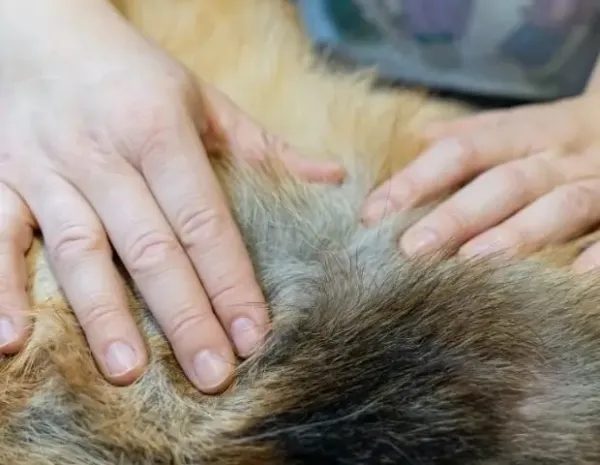
To look for ticks on your dog, run your fingers through their fur to feel for small bumps on the skin. Pay special attention to inside the ears, under the tail, under the legs, near the groin, and between the toes.2
Do This if You Find a Tick on Your Dog
-
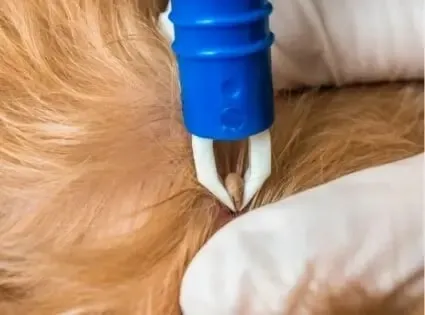
Use the right equipment.
You should always wear gloves when removing a tick. Use either tweezers or a tick removal tool. Grasp the tick as closely to the skin as possible without pinching your dog. Pull upward in a slow, straight, and steady motion.3
Image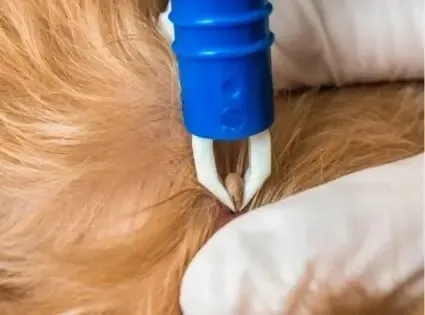
-
Practice proper cleanup and aftercare.
Once the tick has been removed, clean the bite area and your hands thoroughly using rubbing alcohol or soap and water. Clean the tweezers with alcohol as well.3 Store the tick in a small container of alcohol so you can show your vet. Keep an eye on the bite area for the next several days. If it continues to look irritated or infected, make an appointment with your vet.
Image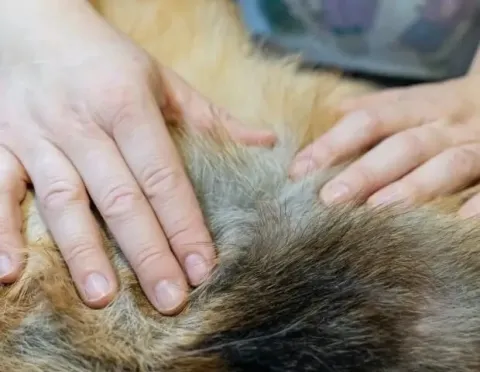
-
Protect your dog from ticks with Nexgard PLUS chews or NexGard chews.
Image
Tick Infestations and Your Dog
The first sign of a tick infestation is observing the presence of ticks attached to your dog. To find ticks, simply run your hands through your dog’s fur. Ticks hide under the fur and attach themselves to your dog’s skin. This may be more difficult if your dog has dense fur. If you feel small bumps on their skin, they may be ticks feeding on your dog.
Common places ticks like to attach to a dog include:
- Head
- Groin
- Ears
- Feet
- Armpits
- Neck
Other signs of tick infestation include:
- Small bumps on their skin
- Patches of red or inflamed skin
- Preventing Ticks on Pets. Centers for Disease Control and Prevention. Accessed April 7, 2025. https://www.cdc.gov/ticks/prevention/preventing-ticks-on-pets.html
- How to check your pets for ticks. Centers for Disease Control and Prevention. Accessed April 6, 2025. https://www.cdc.gov/healthy-pets/media/pdfs/publications/check-pets-for-ticks-508.pdf
- Treatment. Companion Animal Parasite Council. Accessed April 7 2025. https://capcvet.org/guidelines/ticks
Important Safety Information
NexGard® PLUS (afoxolaner, moxidectin, and pyrantel chewable tablets) is safe for puppies at 8 weeks, weighing 4 pounds or more. The most frequently reported adverse reactions include diarrhea, vomiting, lethargy, and itching. Use with caution in dogs with a history of seizures or neurologic disorders. Dogs should be tested for existing heartworm infection prior to starting a preventive. For more information, click here for full prescribing information.
NexGard® COMBO (esafoxolaner, eprinomectin, and praziquantel topical solution) is for topical use only in cats. Safe for use in cats and kittens 8 weeks of age or older, weighing 1.8 pounds or more. Use with caution in cats with a history of seizures or neurologic disorders. The most frequently reported adverse reactions include vomiting, application site reactions, lethargy, and anorexia. If ingested, hypersalivation may occur. Avoid direct contact with application site until visibly dry. For more information, click here for full prescribing information.
NexGard® (afoxolaner) is for use in dogs only. Safe for use in puppies 8 weeks of age or older, weighing 4 pounds or more. The most frequently reported adverse reactions include vomiting, itching, lethargy, diarrhea, and lack of appetite. The safe use of NexGard in pregnant, breeding, or lactating dogs has not been evaluated. Use with caution in dogs with a history of seizures or neurologic disorders. For more information, click here for full prescribing information.